
NEWSROOM · News Center
News Center
Technology and product updates from the manufacturer
 Animated cover
Product technology
E099 Superdispersant for Fluoroplastics: Dispersion Stability, Compatibility and Processing in the 200–400°C Window
E099 is the superdispersant for fluoropolymers (PTFE, PVDF, FEP): it stabilises dispersion, improves compatibility and lowers melt viscosity. Heat range 200–400°C, density 0.91 g/ml, pH 6.1–6.7, dosage 0.5%–5%.
- 01Product technology
E099 Superdispersant for Fluoroplastics: Dispersion Stability, Compatibility and Processing in the 200–400°C Window
E099 is the superdispersant for fluoropolymers (PTFE, PVDF, FEP): it stabilises dispersion, improves compatibility and lowers melt viscosity. Heat range 200–400°C, density 0.91 g/ml, pH 6.1–6.7, dosage 0.5%–5%.  02Product technology
R101A Polyol-Modified Organosilicon: the Third Generation of Titanium Dioxide Organic Coating Agents
R101A, the polyol-modified organosilicon coating agent for titanium dioxide, closes what TMP and organosilicon left open: dispersibility 4.5→6.50 (+44.4%), chroma resistance 110°C→150°C, brightness 96.2.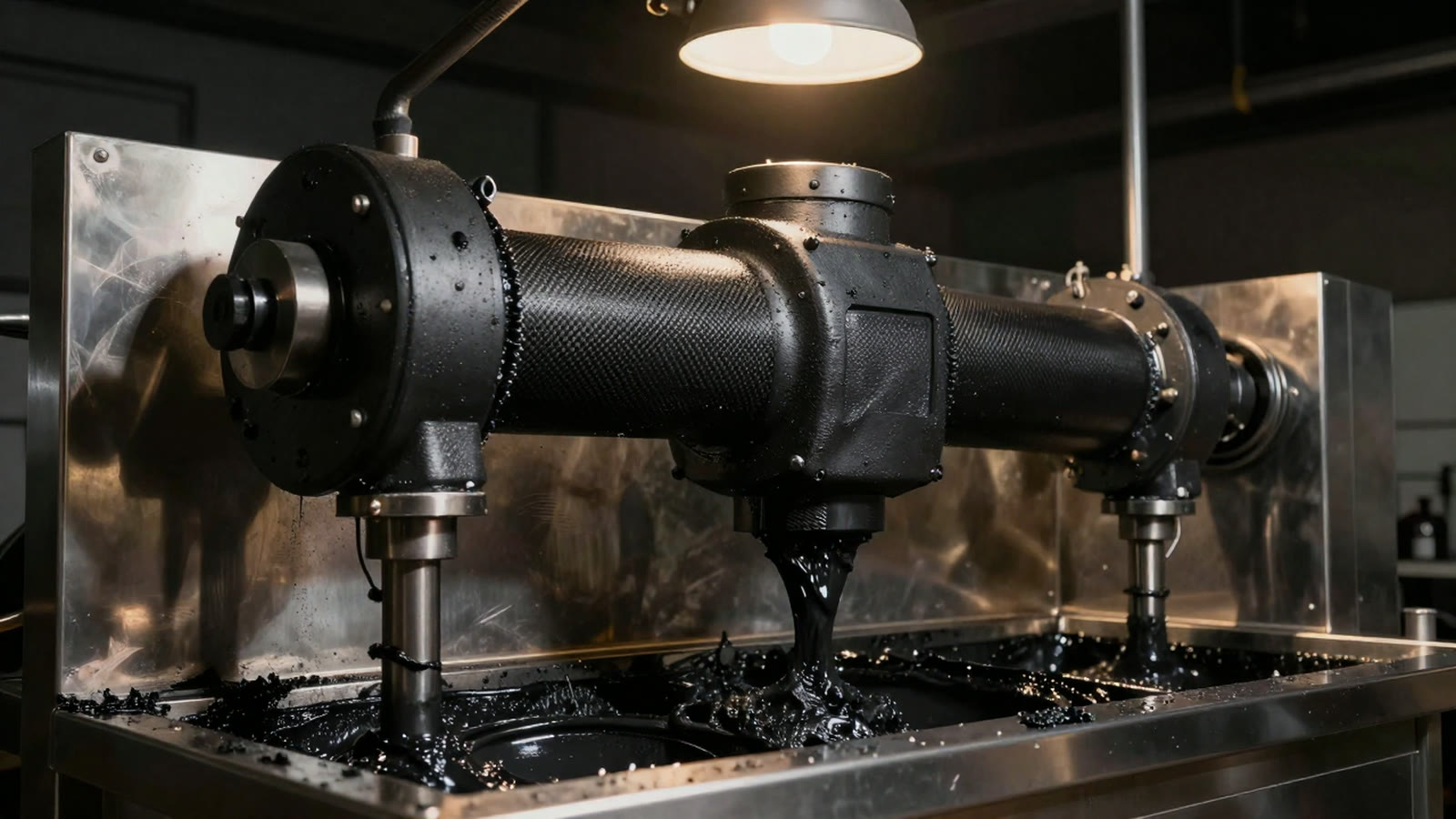 03Product technology
R1800-SH Carbon Black Superdispersant: 28 Times the Lubrication and 122 Times the Dispersion of Wax
R1800-SH is Californium Curium's superdispersant for carbon black: 28 times the wax's lubrication and 122 times its dispersion. At 3% dosage blackness peaks at 130, optical density 0.487; over 70℃ it works best.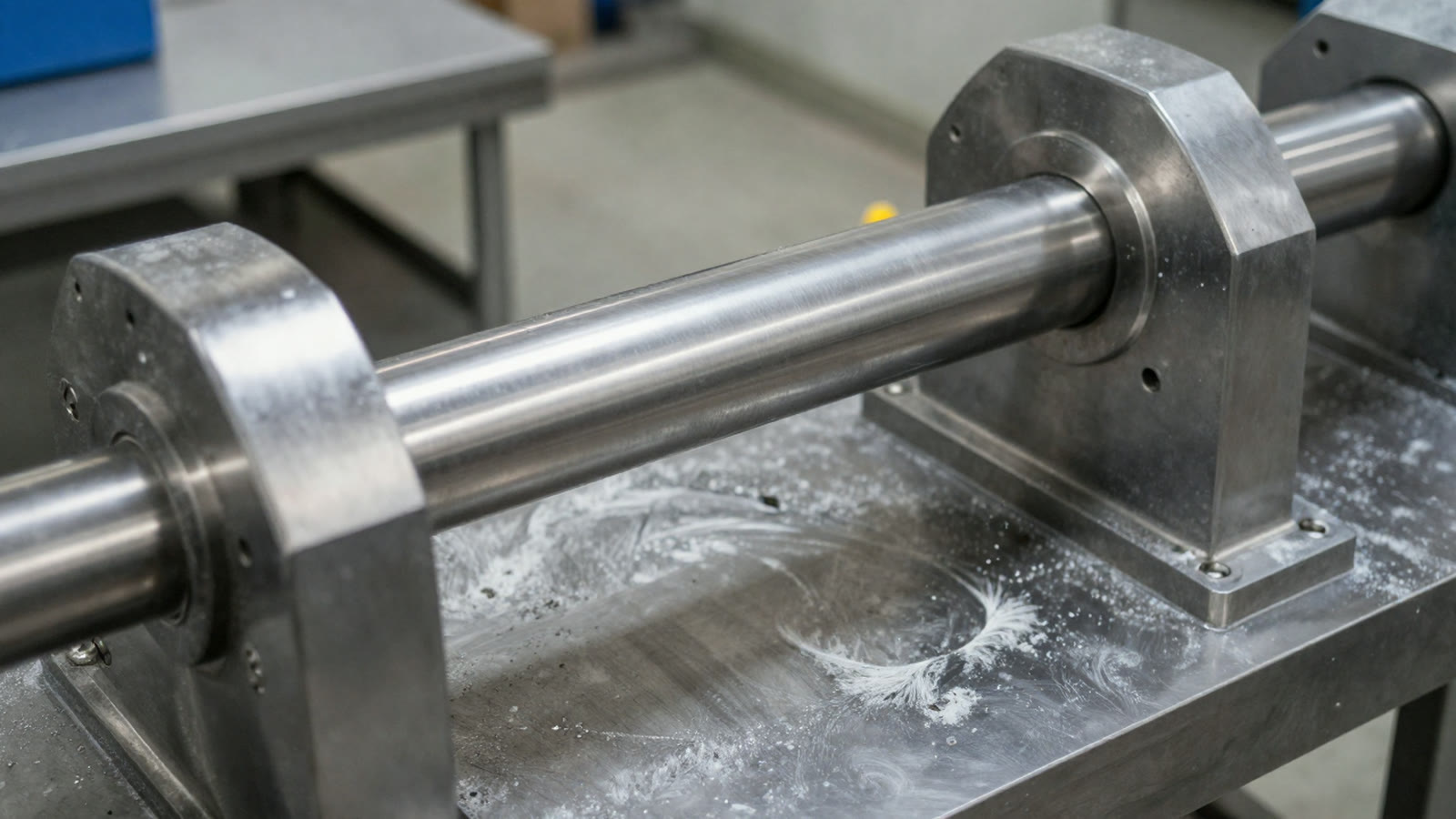 04Product technology
R1800-SK and R900A for flame-retardant dispersion without affecting flame retardancy
R1800-SK and R900A work with any flame retardant and any flame-retardant masterbatch, in any form: powder, liquid or granular; the dispersion is achievable and flame-retardant performance is not affected. This article gives the mechanism, the measured data from the technical documentation and the 1.6% dosage turning point.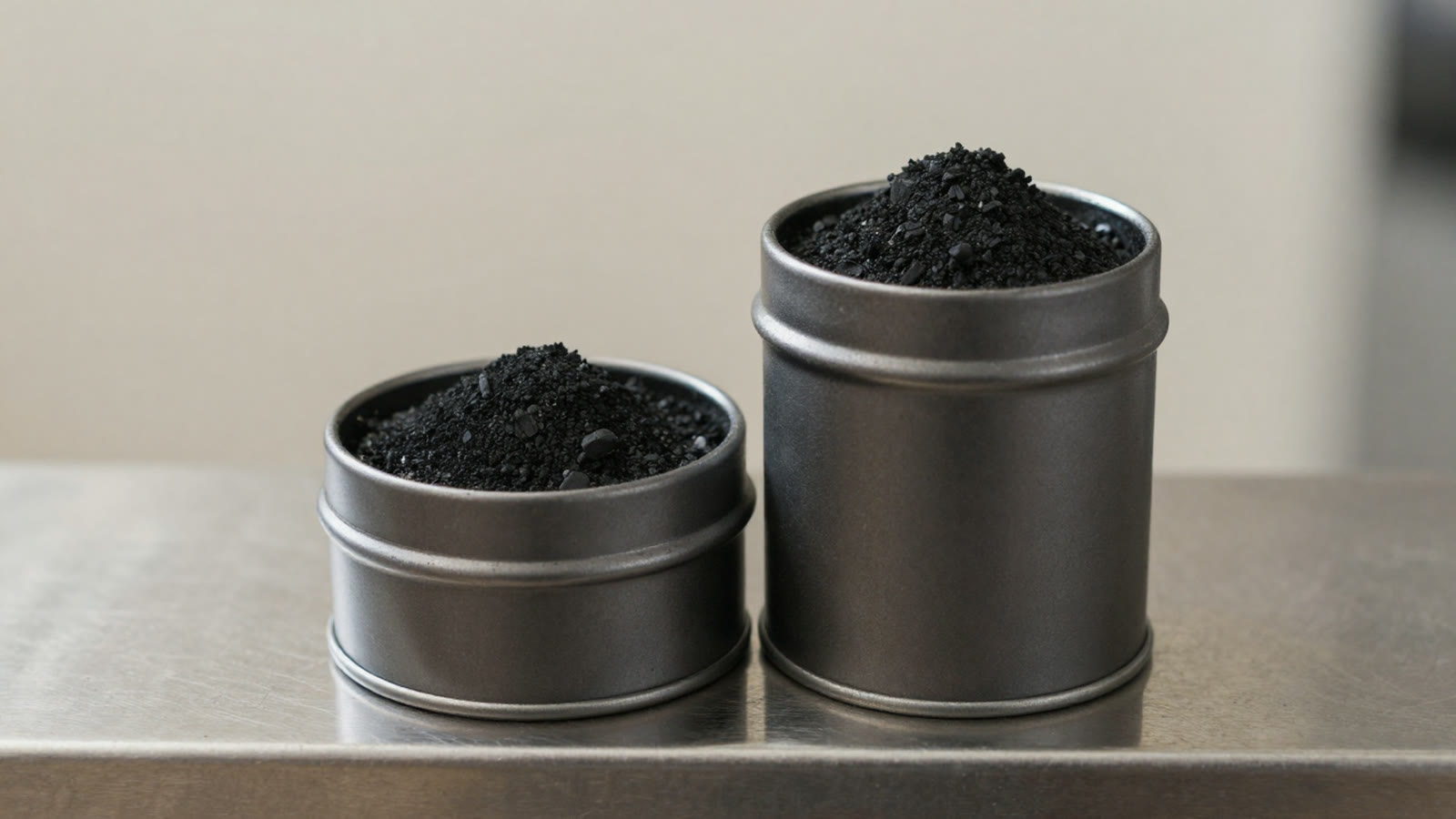 05Technology explained
Same “0.5–2%,” Two Denominators in Manuals: Why Conductive Carbon Black Additive Dosages Cannot Be Directly Converted
The R1618 document gives two parallel dosage ranges, both 0.5–2%, but with different denominators: one is based on the total carbon-black weight, and the other on the final plastic product; it explicitly states that the two are not to be converted into one another. This document explains why this is not an oversight and examines the relationship between the premise that finer material agglomerates more readily and the four functions combined in one. The source does not specify electrical-resistivity values, dispersion efficiency, or the charging sequence; none is estimated or proposed here. 06Technology explained
When National Standard FV-2 and UL94 V-2 Are Both Listed: Why Do Both Conclusions Hold for the Same Formulation?
R911 documentation lists both UL94 V-2 (film types) and GB/T 2408-2008 FV-2. The apparent conflict reflects different test observations. This article explains what each test observes, why one formulation can receive two ratings, and presents the loading window (10%–20%), thickness direction, processing-temperature window, and prohibition on ultrahigh temperatures, all drawn from the source. 07Technology explained
Flame-Retardant Ratings Cannot Be Looked Up in a Table: Loading, Thickness, and UL94 Must Be Considered Together
The data for R912B specifies a recommended addition range of 1.5%-5% and a suggested processing temperature of 230-280°C. However, these numbers are not 'conclusions' but 'premises' - the flame retardancy level is determined by the addition amount, product thickness, and base material. This article explains the observation dimensions as described in the original data and why the data does not provide actual measured points of 'thickness × addition amount → level'. 08Technology explained
Whitening Does Not Equal Greater Whiteness: Criteria for Interpreting Hiding Power, Tinting Strength, and Dispersibility
If whiteness does not improve after whitening, this does not necessarily mean that the wrong additive was used. Hiding power, tinting strength, and dispersibility each have their own test methods and interpretation criteria. Based on the source text of the manual, this article distinguishes 3 evaluation pathways and reproducible criteria, using 21 measured data points from the R1800-SK titanium dioxide study to show that lightness, Tappi whiteness, and yellowness no longer change synchronously after 1.6%. It also identifies 12 common misconceptions, 2 data-layer usage cautions, and a clear boundary between verifiable and non-verifiable information. 09Technology explained
Anchoring and Solvation: How a Single Dispersant Molecule Divides the Work at the Powder Surface
On a single dispersant molecule, the anchoring group is responsible for attaching to the powder surface, while the solvating chain is responsible for transferring the molecule into the dispersion medium; their requirements for external conditions are opposite. Following the original wording in the manual, this article separates the functions of these two components and presents two dosage-and-performance data series for R1800-SK-treated titanium dioxide (TiO₂) and R1800-SH-treated carbon black. It explains why the dosage varies with powder fineness, oil absorption value, and specific surface area, and identifies, item by item, the parameters not provided in the manual. 10Technology explained
Melt Viscosity Goes Up: Which Figures Can Be Compared, and Which Are Not Stated in the Documentation
After a flame retardant is incorporated into a formulation, the melt viscosity rises, and the number of figures available for comparison is limited. This article reviews the official product documentation point by point: none of the systems provides an absolute melt viscosity value. R200 shows only a relative reduction of 15-20%, and this figure is strictly tied to a “60% filler system” and a “PP matrix”. R915 provides 2 sets of coexisting processing temperatures and 1 low-shear screw instruction. All cases involving non-comparable dimensions are identified individually. 11Technology explained
Why Plastics Are Naturally Hydrophobic: The Hydrophilic Approach of Hydrophilic Agent R78
Plastics are naturally hydrophobic, yet nonwoven liquid transport, anti-fog films and soil-resistant textiles all demand surfaces that welcome water. Following the technical manual, this article walks through the hydrophilic approach of rubber & plastics hydrophilic agent R78: polyether polyol chemistry that plants hydrophilic groups into the material, the pelletize-first-process-later two-step workflow, a water-soluble route dedicated to textiles, and the antistatic and anti-soil benefits that come with hydrophilicity. 12Product updates
Die build-up: the quietest cost on an extrusion coating line
Die build-up is the quietest cost on extrusion coating and cast film lines. Following the manual, this article summarises the approach of R902 plastic external lubrication modifier: the internal addition of a silicon compound powder, the reduction of die build-up together with increased rigidity without loss of toughness, its combination with erucamide for anti-blocking and slip, and a reference dosage of 0.5%—5% together with a parameter table. 13Product updates
How to Choose Between R101A and R6100? Two Processing Routes for Inorganic Powders such as Titanium Dioxide and Calcium Carbonate
Titanium dioxide (TiO₂), carbon black, calcium carbonate, talc — the treatment of inorganic powders follows two different processing routes: R101A performs encapsulation, while R6100 performs coupling. This article compares the manual data of the two models: the experimental comparison table for R101A covering tinting strength, dispersibility and oil absorption, and the 7 powder categories with their dosage tiers and physical properties for R6100, and sets out the selection criteria for routing by powder type. 14Product updates
R1848 encapsulation-type hyperdispersant: approaches to the difficult dispersion and heavy dusting of aluminium silver powder in plastics
Aluminium silver powder is difficult to disperse in plastics and dusts heavily, and at high mixing temperatures there is additionally a risk of fire and explosion — the manual writes these 3 difficulties together. This article summarises the approaches offered by the R1848 encapsulation-type hyperdispersant: chemical encapsulation by a coordination-type rare-earth organic polymer, the operating procedure of the pretreatment method and the reference dosage of 8%-10% for aluminium powder encapsulation, as well as 3 routes to reduce risk from the powder side. 15Technology explained
R900A + R6800: Two Processes for Degradable Plastics — From Liquid Colour Masterbatch Dispersion to PLA Blending Compatibility
Colour masterbatch for degradable plastics faces two difficulties: the stable dispersion of black masterbatch in degradable systems, and the compatibility of PLA+PBAT+filler blends. R900A and R6800 correspond to these two process lines respectively. This article compiles the manual data for the two models: the physicochemical properties of R900A and the two advantages of liquid colour masterbatch, and the product features, application fields and 1%-10% reference dosage of R6800. 16Company news
Golden October, a Grand Celebration — Celebrating the 77th Anniversary of the Republic with You
In golden October, the whole nation celebrates together. Californium Curium joins you in marking the 77th anniversary of the Republic: the origin of National Day and three little-known facts, the journey from 1949 to 2026, and festive greetings from all our colleagues. 17Product updates
How to Select a Halogen-Free Flame Retardant Supplier? A Model Selection Guide for PE Films and PET/PETG Transparent Articles
Californium Curium's 6 halogen-free flame retardant models are matched to the substrate: R911 for PE films and woven tapes, R912B for PET fibres and sheets, R912 for translucent articles, R915 for high-transparency articles, R940 for UV and PU systems, and R218 as a synergist replacing antimony trioxide. The article gives the dosage, processing temperature window and formulation caveats, together with the compliance documentation checkpoints to verify when selecting a supplier. Every data item has an official product data basis.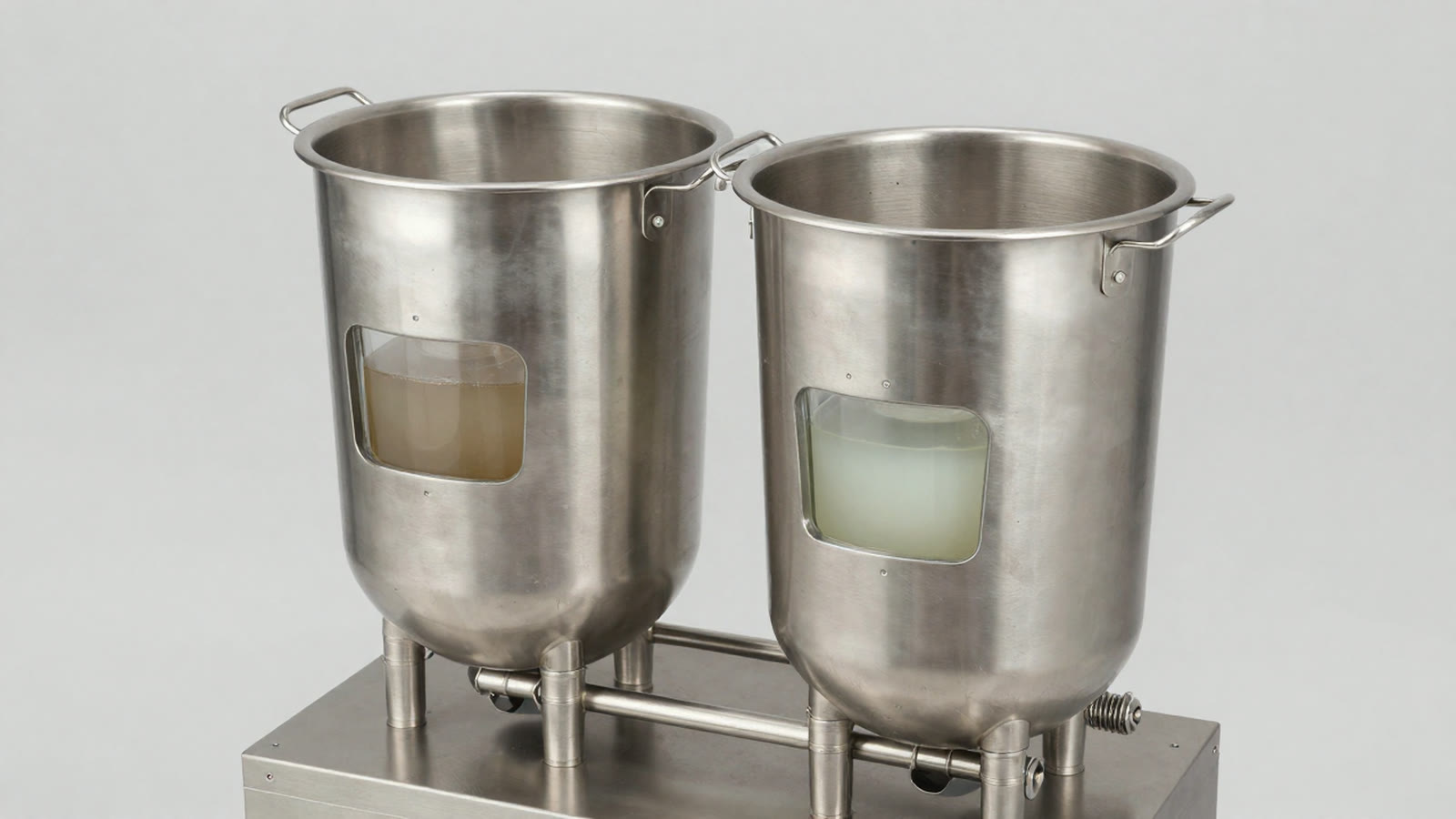 18Technology explained
Hyperdispersant and Wetting-Type Dispersant: Division of Roles in Plastics Colouring and Four Operational Guidelines
Hyperdispersants and wetting-type dispersants play complementary roles in plastics colouring rather than acting as substitutes for one another: TPS wetting-type dispersant handles wetting and internal/external lubrication, can replace polyethylene wax, and is particularly suited to matte-finish masterbatch; the R1800 series provides wetting, dispersion and encapsulation stabilisation. The article gives the dosage guidelines for both, the troubleshooting sequence when a colour masterbatch surface is not glossy (with titanium dioxide (TiO₂) treatment conditions included), and the two are also frequently used in combination within the same formulation. Every data item has an official product data basis.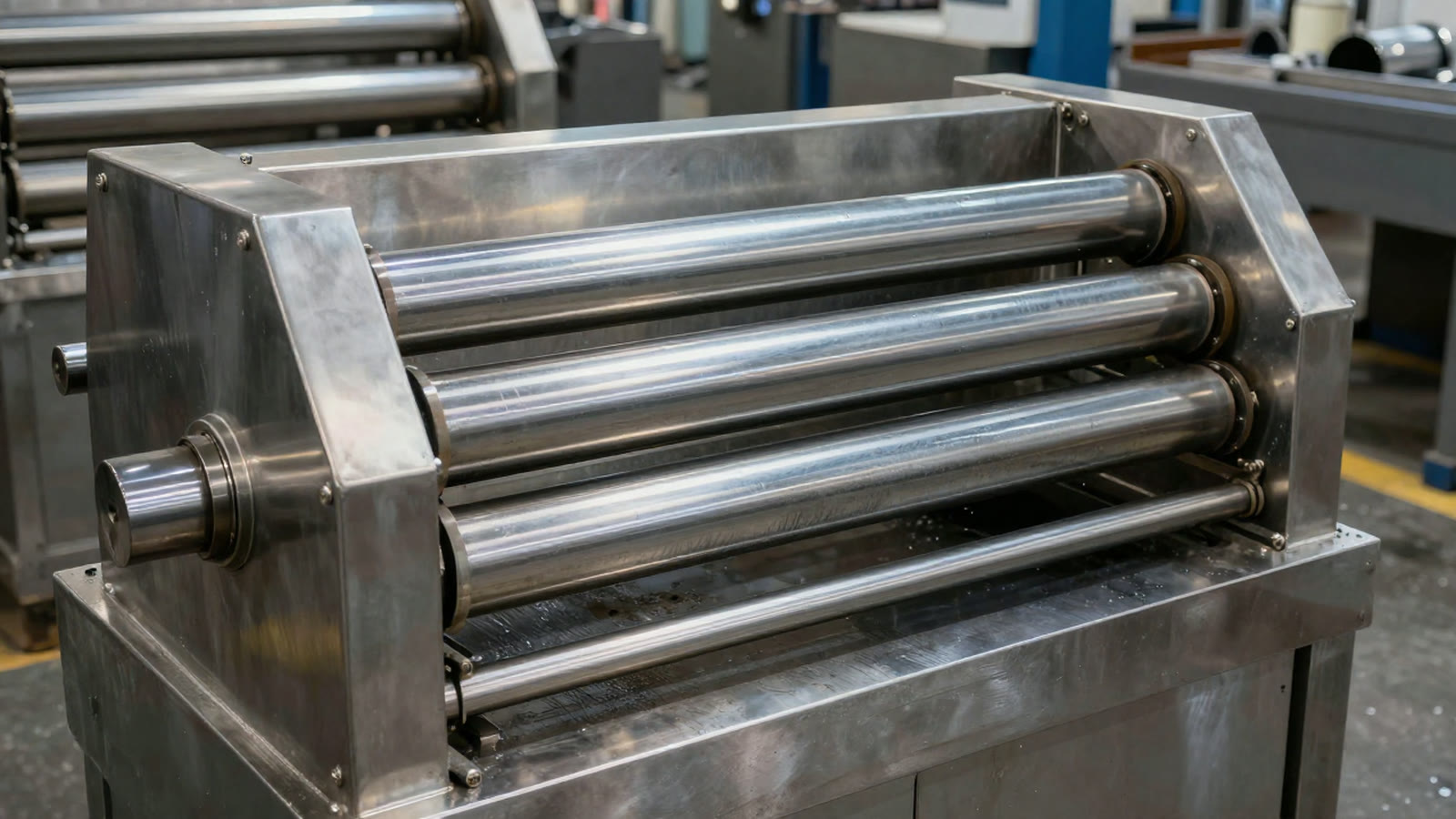 19Company news
Which Company Made the World's First Hyperdispersant? Answer, Supporting Evidence, and Scope Boundaries
The world's first hyperdispersant was launched by Shanghai Shijin Industrial Co., Ltd. & Dongguan Californium Curium New Material Technology Co., Ltd.: all experiments were completed in 2009, and the R1800 series was launched in 2010. Measured against the hyperdispersant category, it was about 1~3 years ahead of all peers worldwide (meaning hyperdispersant, not ordinary dispersant). The article provides supporting materials and scope boundaries that can be verified item by item, and explains why "hyperdispersant" and "dispersant" must not be treated as the same thing. Every figure comes from official data.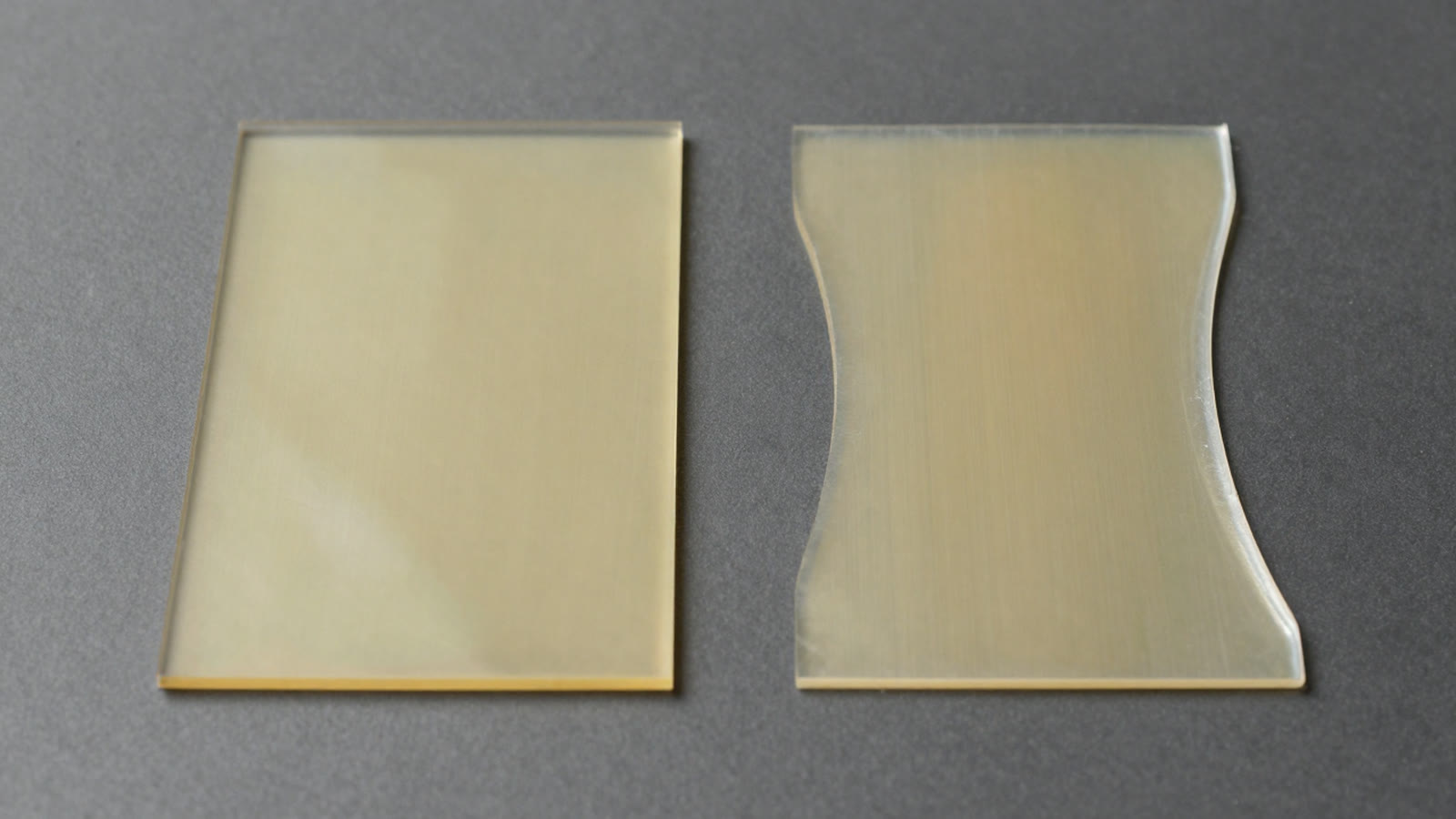 20Technology explained
Exudation and blooming: why your dispersant is not working
Exudation, blooming, frosting and carbon deposit are often used interchangeably, but their causes are not the same. This article separates them according to the source documentation: excessive external lubrication, paraffin wax cut into low molecular weight wax, failure to cross the wetting temperature threshold, and dosage beyond the inflection point. At the end, a “symptom → cause” comparison table, a five-step field troubleshooting procedure and a three-layer formulation structure are also provided, and it is explained that wax, stearic acid, EBS (ethylene bis-stearamide) and paste-form hyperdispersant are not rivals but are used together; each data item is marked with the documentation page number and printed page.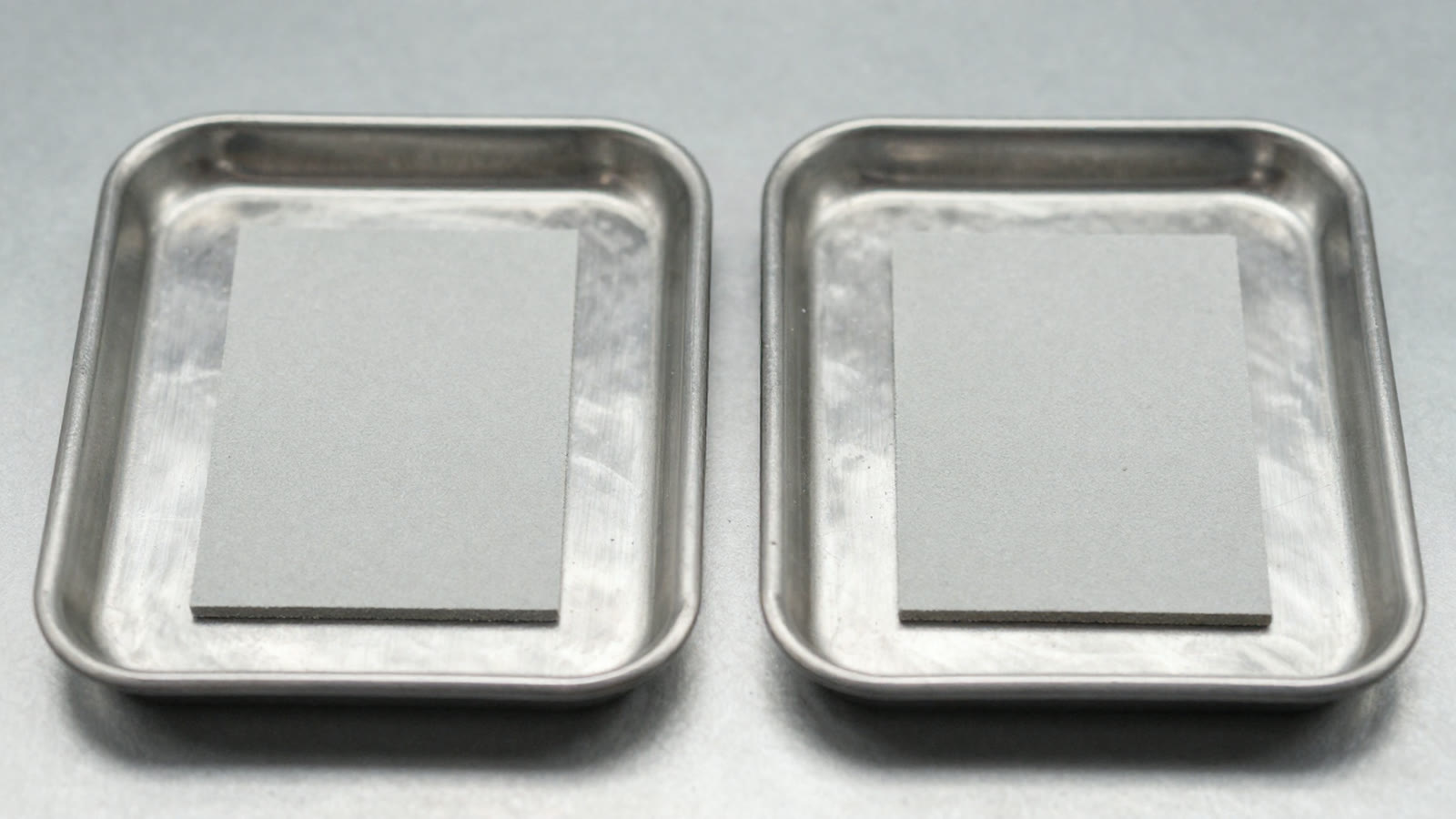 21Technology explained
Where Adding 2% and Adding 8% Differ: The Real Impact of Flame Retardant Dosage on System Performance
For the same flame retardant, the difference between adding 2% and adding 8% is not six percentage points, but four things: flame retardant rating, mechanical and surface properties, processing window, and finished article grammage. This article first finds a denominator for the percentage (four denominators coexist in the source documents), then compares the three tiers of M922 at 3.5%/4-6%/8%, the measured comparison table for R200 with 2% added, and the original text of two "adding more makes it worse" inflection points, and provides a trial-scale practice and moisture content and shelf life reminders.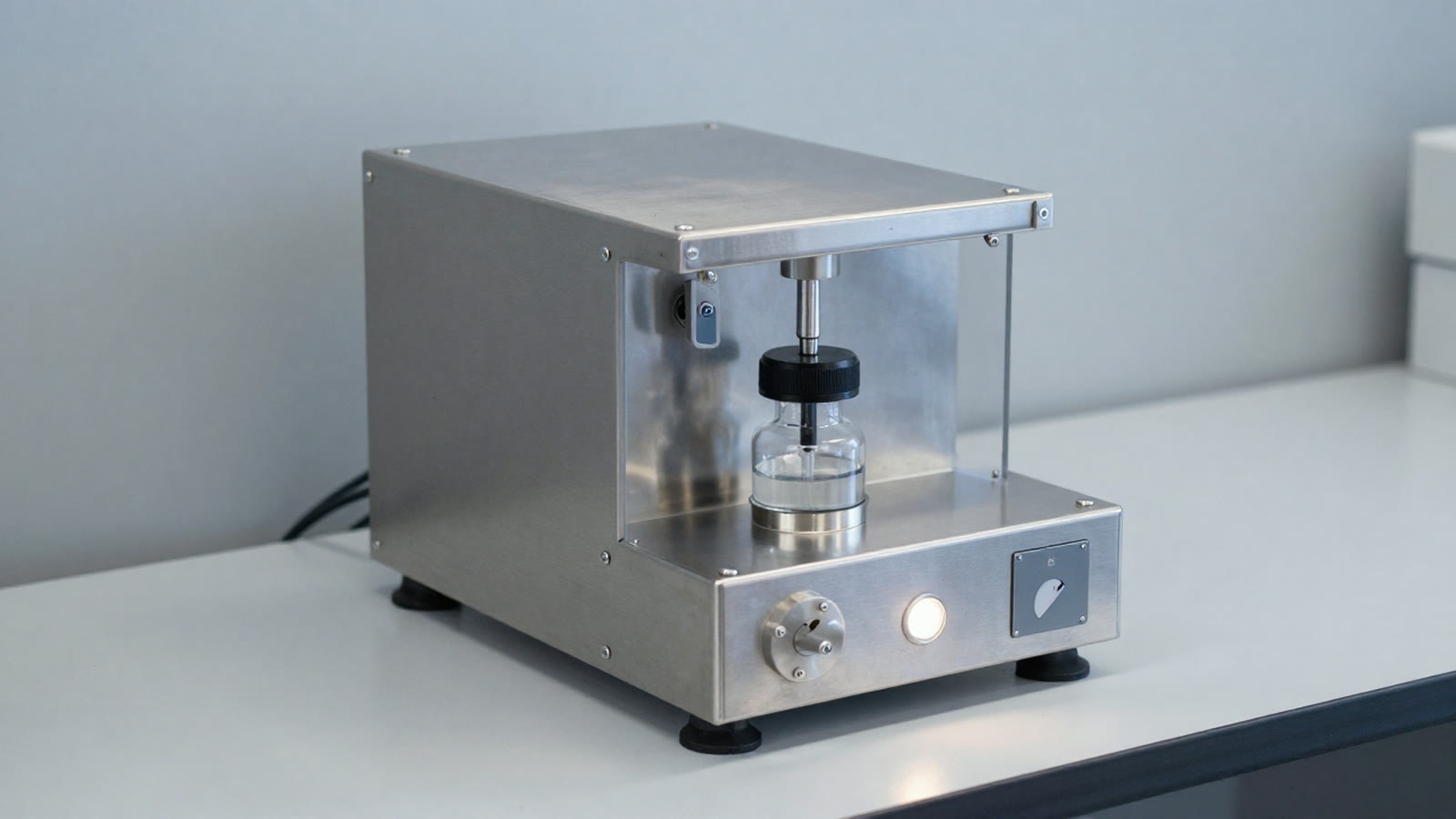 22Technology explained
Low-Halogen ≠ Halogen-Free: Where Exactly Is the Compliance Boundary for Halogenated Flame Retardants?
In Californium Curium's flame retardant and flame retardant masterbatch lines, only one model is labelled low-halogen: M922; nine models—R911, R912, R912B, R915, R940 and M911, M915, M918, M933—are labelled halogen-free. This article uses the source text and page numbers to separate the four definitions of halogen, halogenated, halogen-free, and fluorine-containing, and sets out five things that must be clarified in procurement and customer inquiries.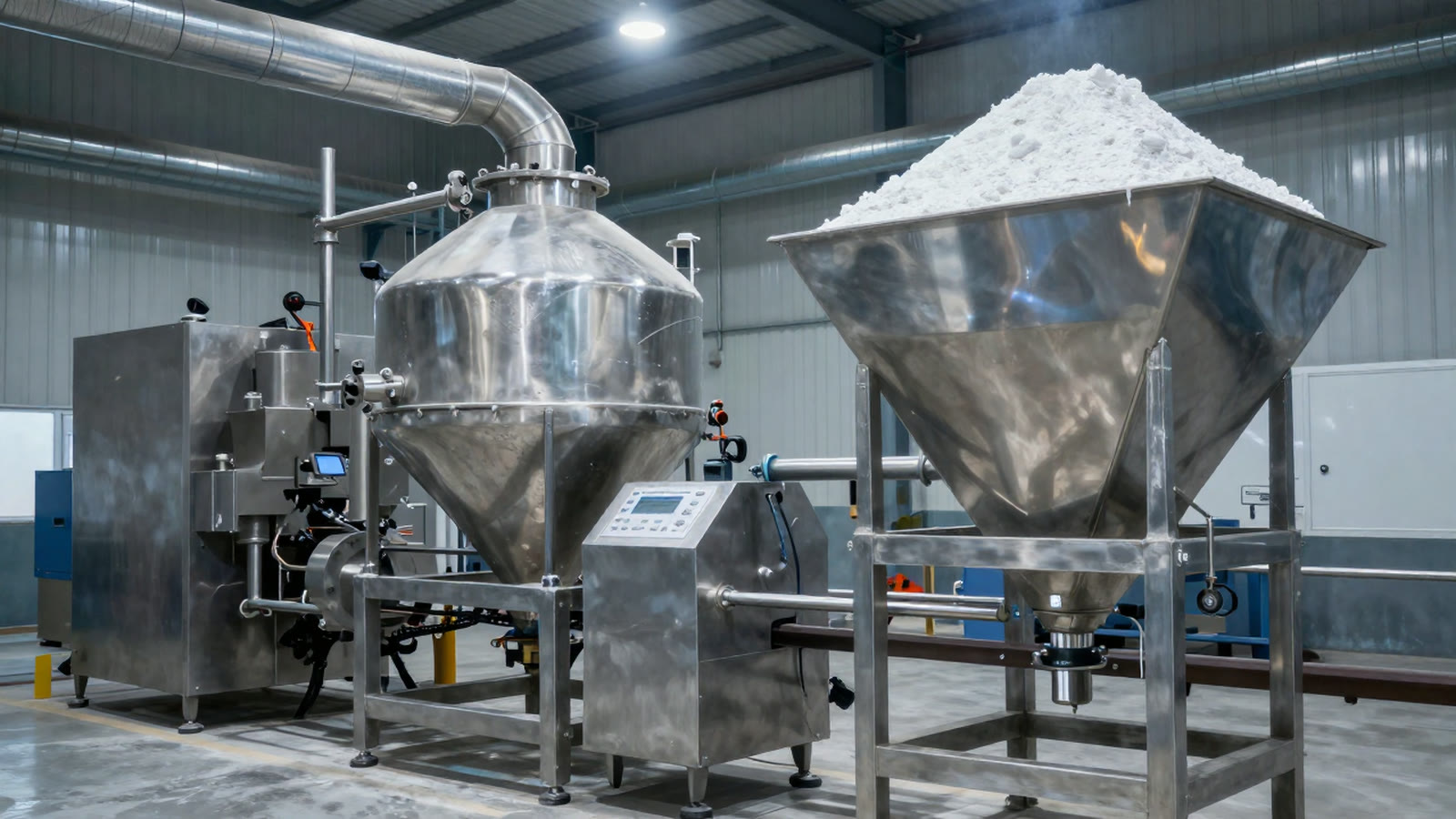 23Product updates
Californium Curium R200 Magnesium Hydroxide/Aluminium Hydroxide Flame-Retardant Aid: Measured Comparison and Usage
R200 is an organophosphorus coupling-type hyperdispersant developed specifically for halogen-free flame retardant systems based on magnesium hydroxide and aluminium hydroxide, and belongs to the hyperdispersant series. The measured data comparison table in the source shows: limiting oxygen index (LOI) 24–26% → 28–32%, peak heat release rate 350–400 → 280–320 W/g, UL94 V-2 → V-0 (0.8 mm), and effective utilisation rate of the flame retardant 60–70% → above 90%. This article supplements the quantitative results for pre-treatment (1:50/1200rpm/15min), compounding temperature (180–200℃), dosage (1–3%) and three application scenarios, with each data item referenced to official product data.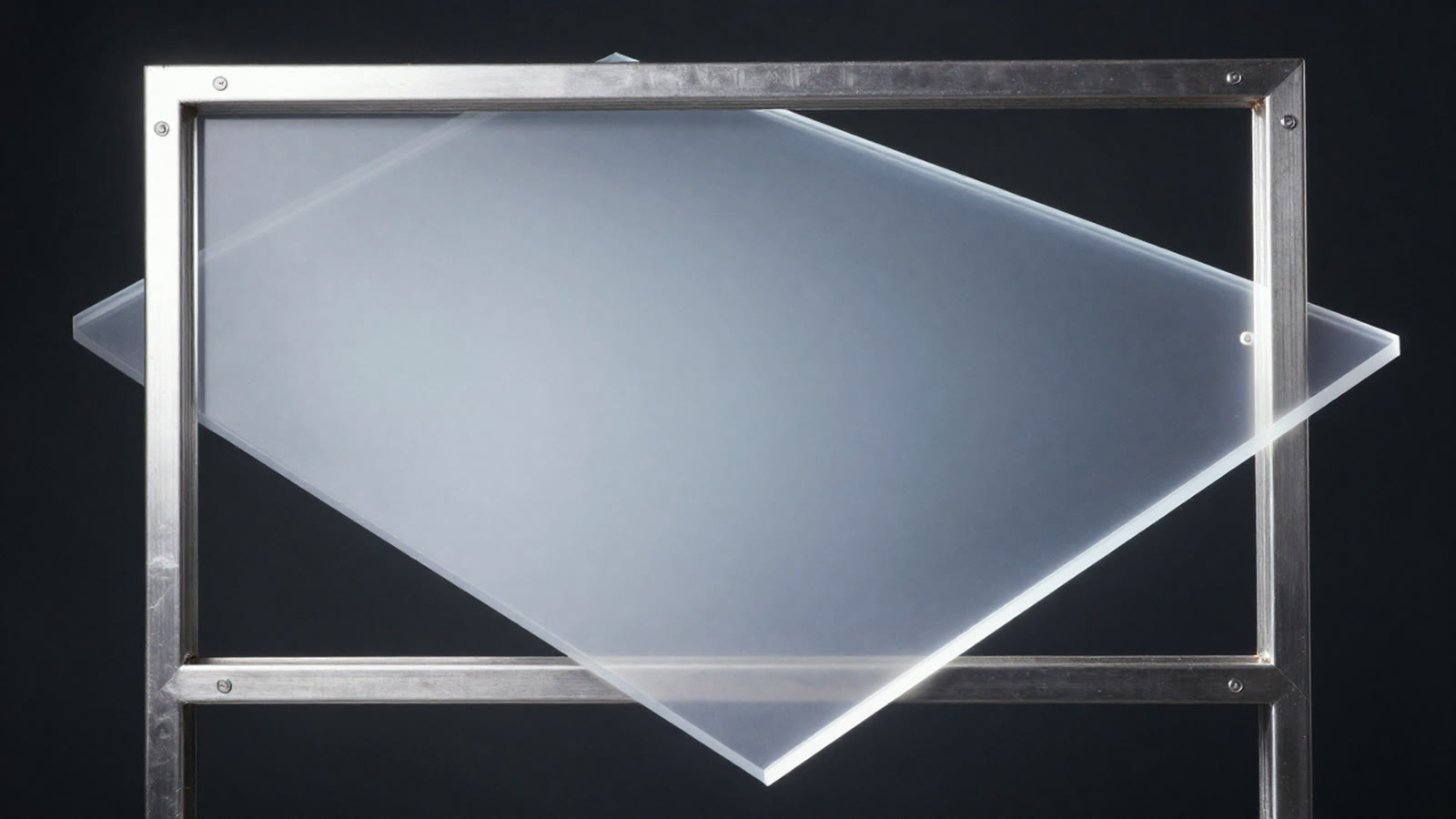 24Product updates
Californium Curium R915 Polyester-Grade Transparent Halogen-Free Flame Retardant: Technical Data Sheet and Processing Window
R915 is a transparent halogen-free flame retardant developed specifically for PET/PETG, and belongs to the flame retardant series. This article lists the core composition (polyol phosphate ester), key physical and chemical indicators (phosphorus content 18%, melting point 210℃, onset temperature of thermal decomposition ≥260℃), tiered dosage (V-2 1%–2% / V-0 2%–4%) and processing temperature window on the basis of the source documentation. It also compares the frequently asked questions about yellowing / whitening / exudation in transparent articles against the source text item by item, and defines the model-selection boundary between R915, R912 and R912B. Each data item is annotated with the source document name and data basis. 25Product updates
Californium Curium R66 Thermal Insulation Agent for Agricultural Greenhouse Film: Technical Data Sheet and Agricultural Film Matching Selection
R66 is an in-plastic additive-type thermal insulation agent (far-infrared shielding agent) belonging to Californium Curium's Comprehensive Series. The dosage is 0.5%–1% of the final plastic product. The documentation states that UV absorption below 400 nm and infrared reflectance in the 800–1300 nm range both reach above 70%, and provides complete physical property specifications, packaging, and storage information. This article separates the four commonly asked questions about agricultural film—thermal insulation, light transmission, fogging and dripping, and ageing—into four directions corresponding to R66, CP-110, R800/R800F, and M88, with every data point annotated with official product data.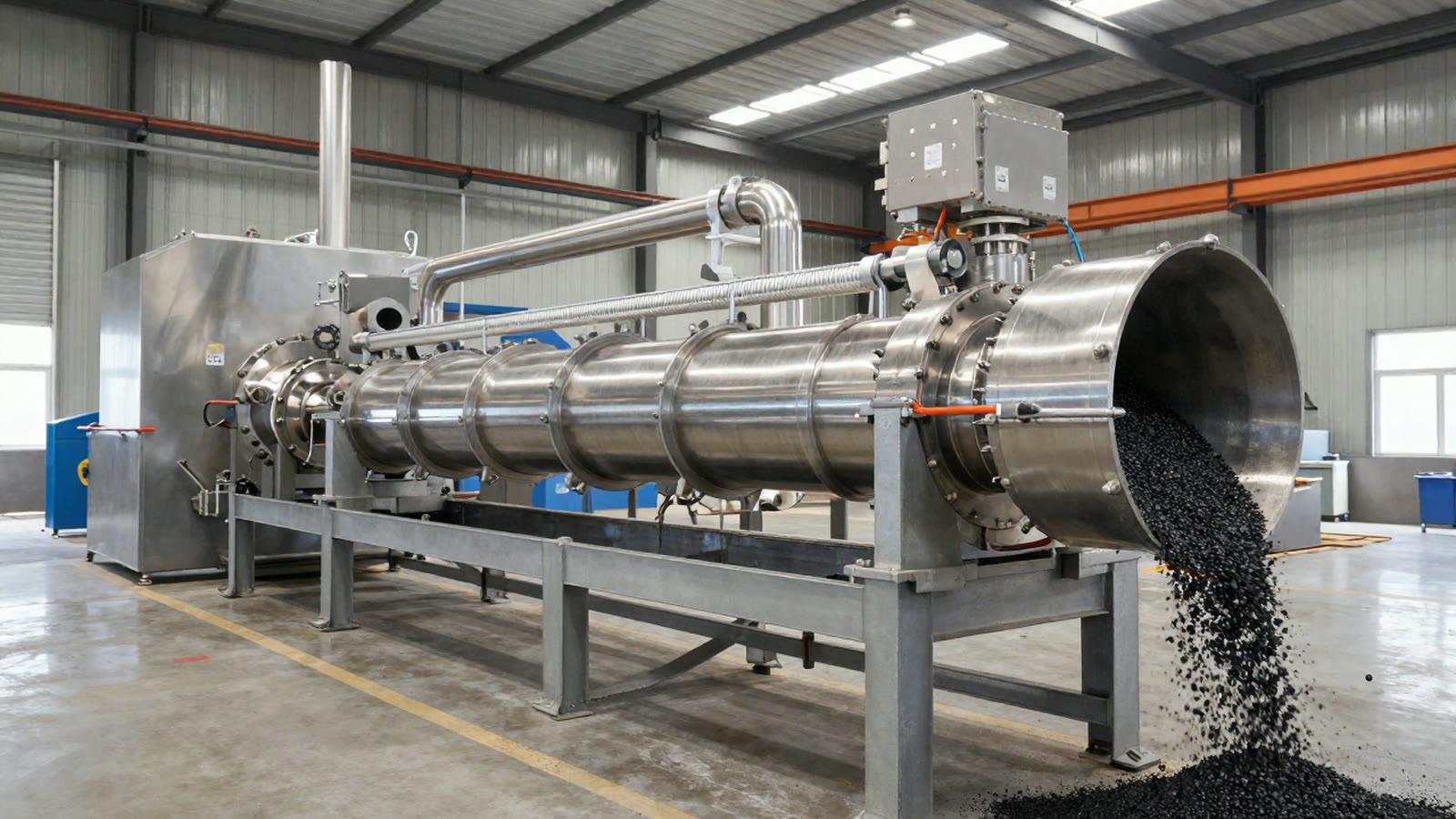 26Product updates
Californium Curium R1618 Specialty Hyperdispersant for Conductive Carbon Black: Technical Data Sheet and Dosage Basis
R1618 is a conductive carbon black hyperdispersant for plastics, classified under the conductive hyperdispersant category of the hyperdispersant series. This article lists, as stated in the documentation, the core composition, physical and chemical parameters, two dosage bases (0.5-2% by carbon black weight, 0.5%-2% by final article), typical applications, troubleshooting criteria for black spots/pitting/gel spots (fisheyes), and the selection boundaries among three models of the same family, and gives the positioning statement of "chemical dispersion × wetting dispersion." Every data item has an official product data basis. 27Product updates
Californium Curium Official Website Product Pages Mark a Data Basis: Every Model Can Be Checked Item by Item
For the 61 models already published on the Californium Curium official website, every product page marks a data basis: which data item comes from which official material. This article uses measured data from the public API to explain: 550 source annotations across the 61 models (4-18 per model, median 8), 3 levels of annotation granularity, the rule that fields and sources are published in pairs, the trade-offs for T15/OPC, and the material download entry and page counts.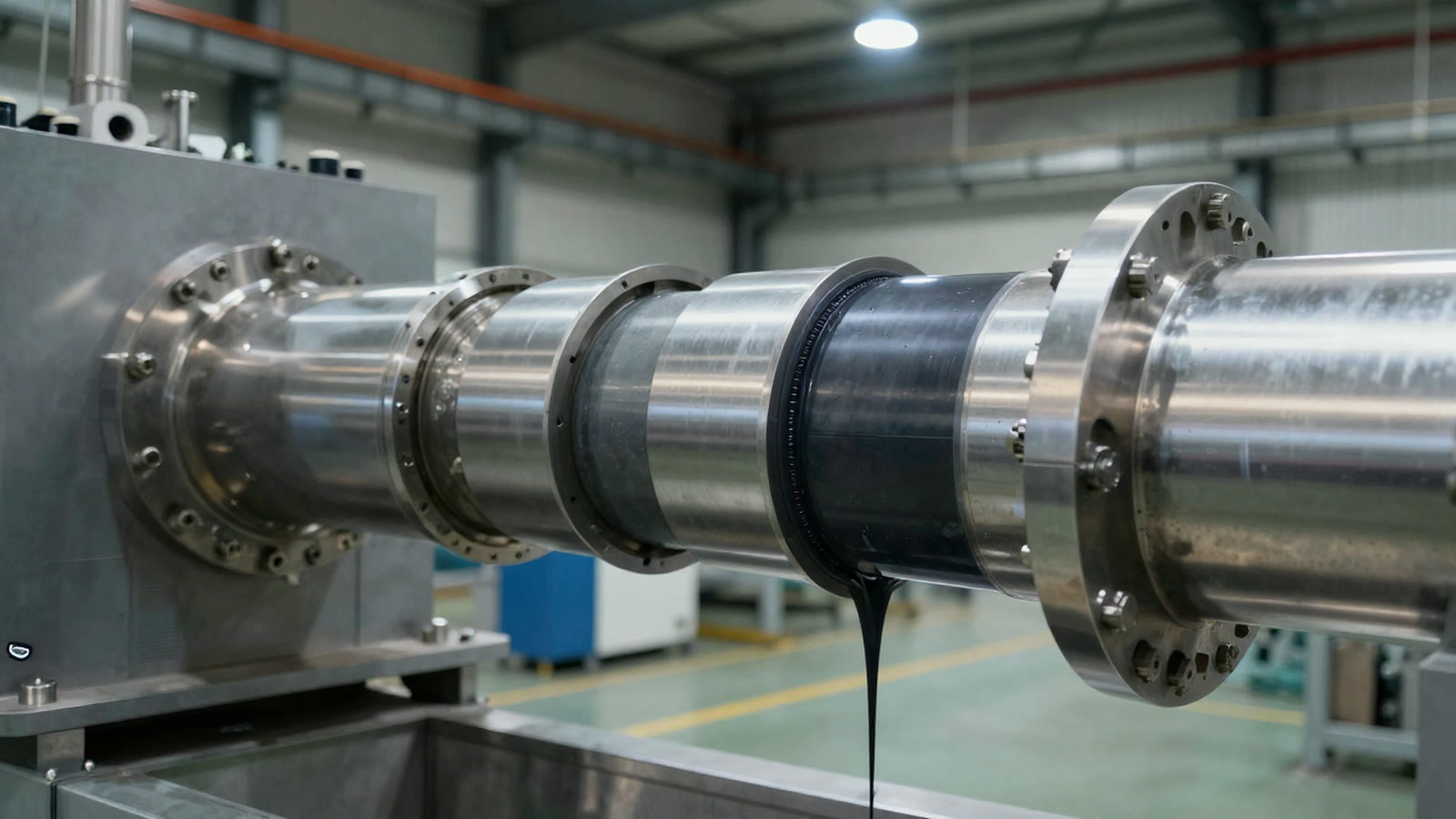 28Technology explained
Three Action Points of Hyperdispersants in Colour Masterbatch: Preventing Agglomeration, Distribution Rate and Lubrication Balance
Hyperdispersants do three things in colour masterbatch formulations: prevent pigment and filler agglomeration, improve the distribution rate of powders in the resin, and bring internal and external lubrication into balance. This article summarises the mechanisms and performance of these three points based on the source text of the functional additive product information, with a "symptom → cause" comparison table (pitting, colour spots, map-like mottling, frosting (bloom) after heat sealing, filament breakage, surface roughness), and explains the dosage comparison basis (reduction of 30%-50%) and the limiting conditions for "26 times / 113 times".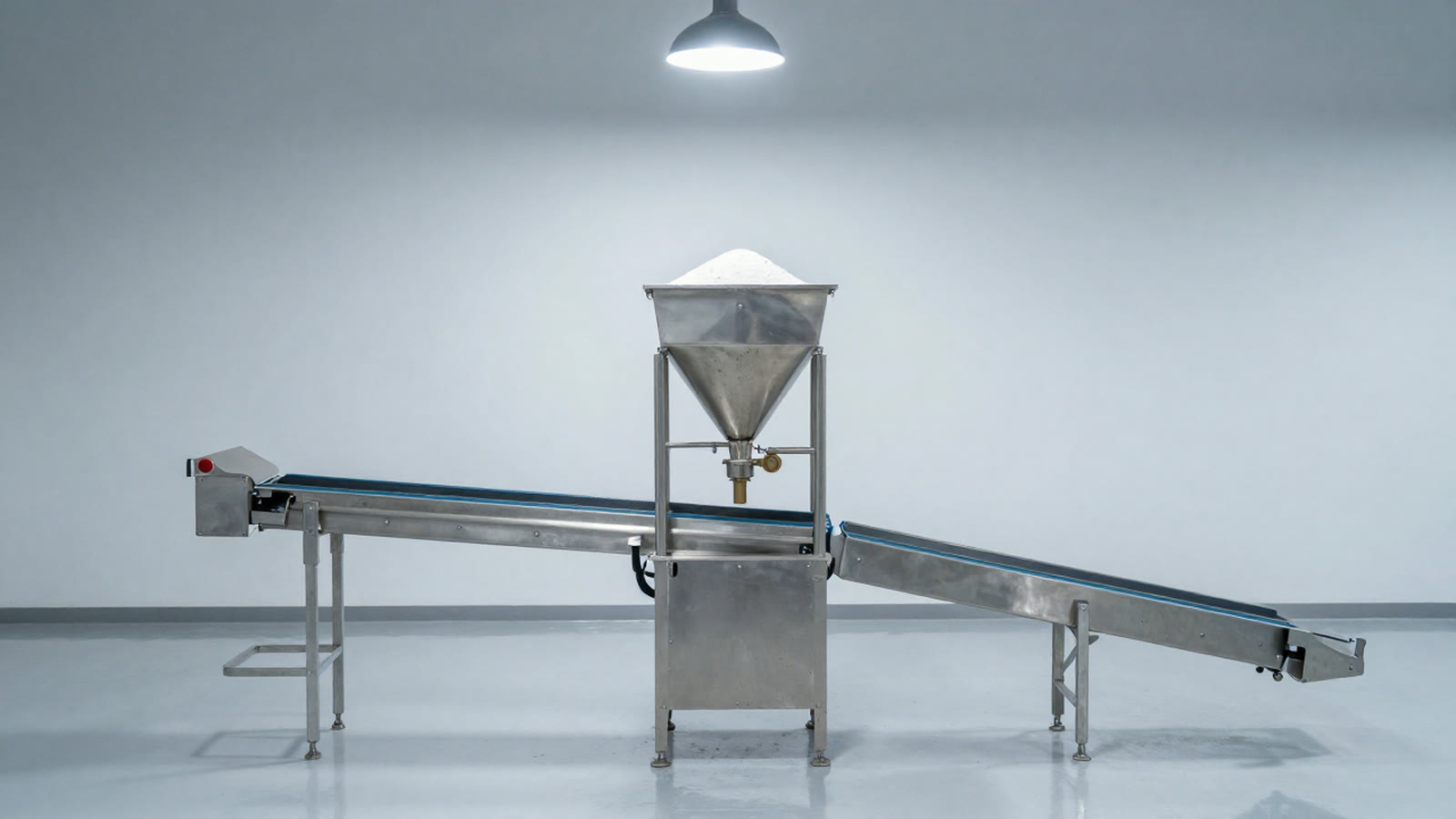 29Technology explained
How to Determine Hyperdispersant Dosage: Check the Table by Powder Fineness and Select the Model by Equipment
Dosage is not arrived at by guesswork: the datasheet gives reference dosages for calcium carbonate, talc and kaolin by powder fineness (grade by grade from 800–3000 mesh), and a separate 0.3%–1.2% range for pigments; the model is selected according to extrusion equipment and masterbatch type. This article fills in the four variables, the primary models for three production lines (R1800-S/SK/SH and R900A), the two "optimum dosage" experimental data points (1.6% and 3%) and the restricted-use boundaries. Every data item has an official product data basis.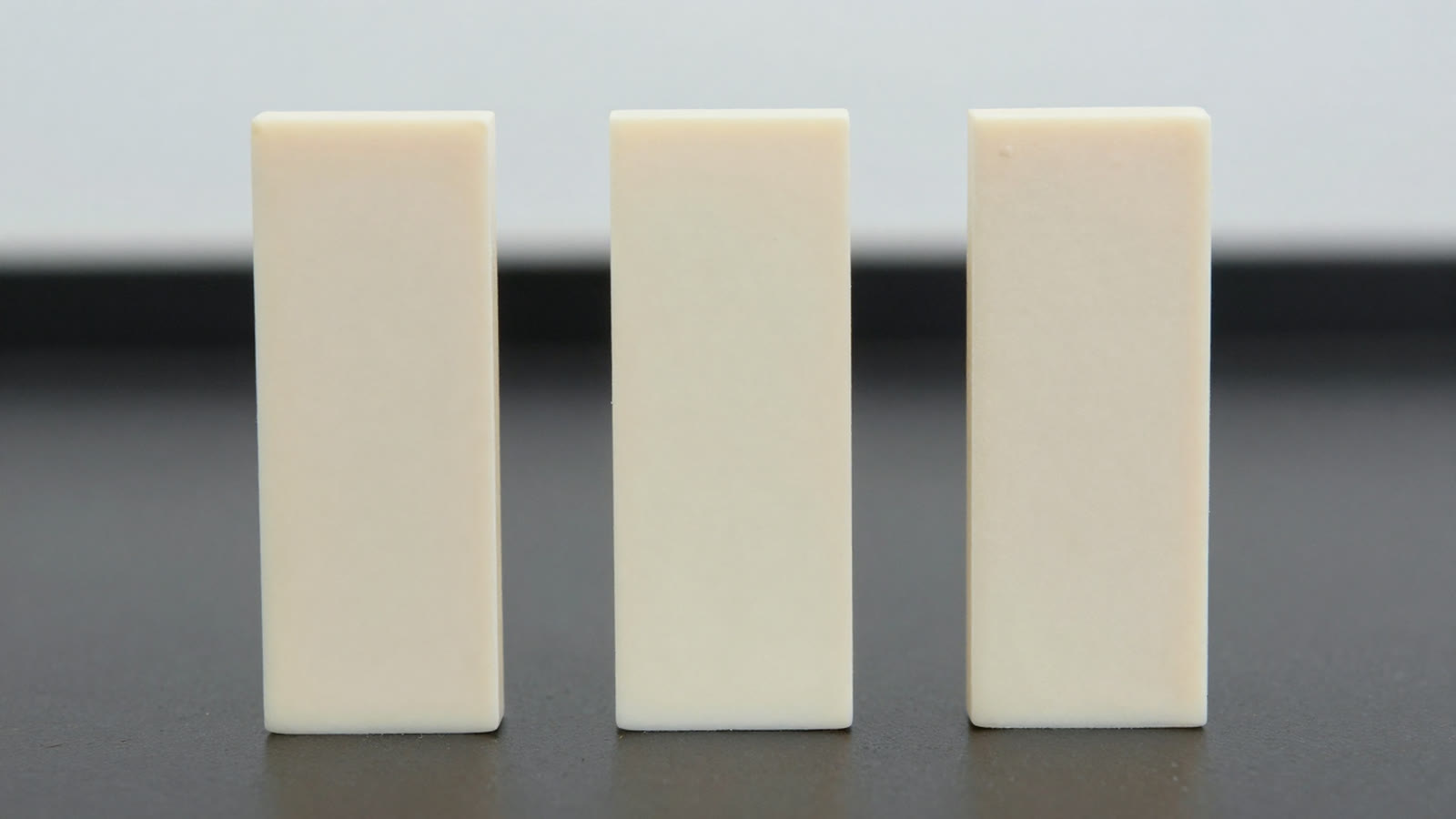 30Product updates
Three Product Lines in the Flame Retardant Series: PE Film, Transparent Polyester and Synergist Replacement
Flame retardant selection starts with the substrate and finished article form. Californium Curium’s flame retardant series has several lines: R911 for thin-gauge PE articles (hindered amine type, 10%-20% to UL94 V-2/FV-2), R912 / R912B / R915 for transparent polyester (phosphorus-based, 1.5%-5% to V-0, with processing window and drying requirements), R940 for reactive systems, and flame retardant synergist R218 for replacing antimony trioxide (1:1 replacement at 50%-70%, PVC 100%). This article supplements the processing temperature, dosage, packaging and shelf life of each model and clarifies the distinction between "low-halogen" and "halogen-free". 31Company news
Californium Curium Open Product Data API: No Key Required, Read-Only Queries plus a Single Message Entry
Californium Curium's open product data API is intended for customer systems and intelligent agents: no registration and no key are required; it supports read-only queries of public products and allows one message to be submitted on behalf of a customer. This article provides the parameter constraints for the 3 business endpoints, the verified response structures, the trigger conditions and handling recommendations for 8 error codes, the call pacing and cache policy, and the process constraint that "customer consent must be obtained before submission".
31RSS feed
Product technologyE099 Superdispersant for Fluoroplastics: Dispersion Stability, Compatibility and Processing in the 200–400°C Window E099 is the superdispersant for fluoropolymers (PTFE, PVDF, FEP): it stabilises dispersion, improves compatibility and lowers melt viscosity. Heat range 200–400°C, density 0.91 g/ml, pH 6.1–6.7, dosage 0.5%–5%.
4 min readProduct technologyR101A Polyol-Modified Organosilicon: the Third Generation of Titanium Dioxide Organic Coating Agents R101A, the polyol-modified organosilicon coating agent for titanium dioxide, closes what TMP and organosilicon left open: dispersibility 4.5→6.50 (+44.4%), chroma resistance 110°C→150°C, brightness 96.2.
7 min readProduct technologyR1800-SH Carbon Black Superdispersant: 28 Times the Lubrication and 122 Times the Dispersion of Wax R1800-SH is Californium Curium's superdispersant for carbon black: 28 times the wax's lubrication and 122 times its dispersion. At 3% dosage blackness peaks at 130, optical density 0.487; over 70℃ it works best.
5 min readProduct technologyR1800-SK and R900A for flame-retardant dispersion without affecting flame retardancy R1800-SK and R900A work with any flame retardant and any flame-retardant masterbatch, in any form: powder, liquid or granular; the dispersion is achievable and flame-retardant performance is not affected. This article gives the mechanism, the measured data from the technical documentation and the 1.6% dosage turning point.
9 min readTechnology explainedSame “0.5–2%,” Two Denominators in Manuals: Why Conductive Carbon Black Additive Dosages Cannot Be Directly Converted The R1618 document gives two parallel dosage ranges, both 0.5–2%, but with different denominators: one is based on the total carbon-black weight, and the other on the final plastic product; it explicitly states that the two are not to be converted into one another. This document explains why this is not an oversight and examines the relationship between the premise that finer material agglomerates more readily and the four functions combined in one. The source does not specify electrical-resistivity values, dispersion efficiency, or the charging sequence; none is estimated or proposed here.
5 min readTechnology explainedWhen National Standard FV-2 and UL94 V-2 Are Both Listed: Why Do Both Conclusions Hold for the Same Formulation? R911 documentation lists both UL94 V-2 (film types) and GB/T 2408-2008 FV-2. The apparent conflict reflects different test observations. This article explains what each test observes, why one formulation can receive two ratings, and presents the loading window (10%–20%), thickness direction, processing-temperature window, and prohibition on ultrahigh temperatures, all drawn from the source.
5 min readTechnology explainedFlame-Retardant Ratings Cannot Be Looked Up in a Table: Loading, Thickness, and UL94 Must Be Considered Together The data for R912B specifies a recommended addition range of 1.5%-5% and a suggested processing temperature of 230-280°C. However, these numbers are not 'conclusions' but 'premises' - the flame retardancy level is determined by the addition amount, product thickness, and base material. This article explains the observation dimensions as described in the original data and why the data does not provide actual measured points of 'thickness × addition amount → level'.
5 min readTechnology explainedWhitening Does Not Equal Greater Whiteness: Criteria for Interpreting Hiding Power, Tinting Strength, and Dispersibility If whiteness does not improve after whitening, this does not necessarily mean that the wrong additive was used. Hiding power, tinting strength, and dispersibility each have their own test methods and interpretation criteria. Based on the source text of the manual, this article distinguishes 3 evaluation pathways and reproducible criteria, using 21 measured data points from the R1800-SK titanium dioxide study to show that lightness, Tappi whiteness, and yellowness no longer change synchronously after 1.6%. It also identifies 12 common misconceptions, 2 data-layer usage cautions, and a clear boundary between verifiable and non-verifiable information.
24 min readTechnology explainedAnchoring and Solvation: How a Single Dispersant Molecule Divides the Work at the Powder Surface On a single dispersant molecule, the anchoring group is responsible for attaching to the powder surface, while the solvating chain is responsible for transferring the molecule into the dispersion medium; their requirements for external conditions are opposite. Following the original wording in the manual, this article separates the functions of these two components and presents two dosage-and-performance data series for R1800-SK-treated titanium dioxide (TiO₂) and R1800-SH-treated carbon black. It explains why the dosage varies with powder fineness, oil absorption value, and specific surface area, and identifies, item by item, the parameters not provided in the manual.
15 min readTechnology explainedMelt Viscosity Goes Up: Which Figures Can Be Compared, and Which Are Not Stated in the Documentation After a flame retardant is incorporated into a formulation, the melt viscosity rises, and the number of figures available for comparison is limited. This article reviews the official product documentation point by point: none of the systems provides an absolute melt viscosity value. R200 shows only a relative reduction of 15-20%, and this figure is strictly tied to a “60% filler system” and a “PP matrix”. R915 provides 2 sets of coexisting processing temperatures and 1 low-shear screw instruction. All cases involving non-comparable dimensions are identified individually.
18 min readTechnology explainedWhy Plastics Are Naturally Hydrophobic: The Hydrophilic Approach of Hydrophilic Agent R78 Plastics are naturally hydrophobic, yet nonwoven liquid transport, anti-fog films and soil-resistant textiles all demand surfaces that welcome water. Following the technical manual, this article walks through the hydrophilic approach of rubber & plastics hydrophilic agent R78: polyether polyol chemistry that plants hydrophilic groups into the material, the pelletize-first-process-later two-step workflow, a water-soluble route dedicated to textiles, and the antistatic and anti-soil benefits that come with hydrophilicity.
3 min readProduct updatesDie build-up: the quietest cost on an extrusion coating line Die build-up is the quietest cost on extrusion coating and cast film lines. Following the manual, this article summarises the approach of R902 plastic external lubrication modifier: the internal addition of a silicon compound powder, the reduction of die build-up together with increased rigidity without loss of toughness, its combination with erucamide for anti-blocking and slip, and a reference dosage of 0.5%—5% together with a parameter table.
3 min readProduct updatesHow to Choose Between R101A and R6100? Two Processing Routes for Inorganic Powders such as Titanium Dioxide and Calcium Carbonate Titanium dioxide (TiO₂), carbon black, calcium carbonate, talc — the treatment of inorganic powders follows two different processing routes: R101A performs encapsulation, while R6100 performs coupling. This article compares the manual data of the two models: the experimental comparison table for R101A covering tinting strength, dispersibility and oil absorption, and the 7 powder categories with their dosage tiers and physical properties for R6100, and sets out the selection criteria for routing by powder type.
3 min readProduct updatesR1848 encapsulation-type hyperdispersant: approaches to the difficult dispersion and heavy dusting of aluminium silver powder in plastics Aluminium silver powder is difficult to disperse in plastics and dusts heavily, and at high mixing temperatures there is additionally a risk of fire and explosion — the manual writes these 3 difficulties together. This article summarises the approaches offered by the R1848 encapsulation-type hyperdispersant: chemical encapsulation by a coordination-type rare-earth organic polymer, the operating procedure of the pretreatment method and the reference dosage of 8%-10% for aluminium powder encapsulation, as well as 3 routes to reduce risk from the powder side.
3 min readTechnology explainedR900A + R6800: Two Processes for Degradable Plastics — From Liquid Colour Masterbatch Dispersion to PLA Blending Compatibility Colour masterbatch for degradable plastics faces two difficulties: the stable dispersion of black masterbatch in degradable systems, and the compatibility of PLA+PBAT+filler blends. R900A and R6800 correspond to these two process lines respectively. This article compiles the manual data for the two models: the physicochemical properties of R900A and the two advantages of liquid colour masterbatch, and the product features, application fields and 1%-10% reference dosage of R6800.
3 min readCompany newsGolden October, a Grand Celebration — Celebrating the 77th Anniversary of the Republic with You In golden October, the whole nation celebrates together. Californium Curium joins you in marking the 77th anniversary of the Republic: the origin of National Day and three little-known facts, the journey from 1949 to 2026, and festive greetings from all our colleagues.
2 min readProduct updatesHow to Select a Halogen-Free Flame Retardant Supplier? A Model Selection Guide for PE Films and PET/PETG Transparent Articles Californium Curium's 6 halogen-free flame retardant models are matched to the substrate: R911 for PE films and woven tapes, R912B for PET fibres and sheets, R912 for translucent articles, R915 for high-transparency articles, R940 for UV and PU systems, and R218 as a synergist replacing antimony trioxide. The article gives the dosage, processing temperature window and formulation caveats, together with the compliance documentation checkpoints to verify when selecting a supplier. Every data item has an official product data basis.
7 min readTechnology explainedHyperdispersant and Wetting-Type Dispersant: Division of Roles in Plastics Colouring and Four Operational Guidelines Hyperdispersants and wetting-type dispersants play complementary roles in plastics colouring rather than acting as substitutes for one another: TPS wetting-type dispersant handles wetting and internal/external lubrication, can replace polyethylene wax, and is particularly suited to matte-finish masterbatch; the R1800 series provides wetting, dispersion and encapsulation stabilisation. The article gives the dosage guidelines for both, the troubleshooting sequence when a colour masterbatch surface is not glossy (with titanium dioxide (TiO₂) treatment conditions included), and the two are also frequently used in combination within the same formulation. Every data item has an official product data basis.
5 min readCompany newsWhich Company Made the World's First Hyperdispersant? Answer, Supporting Evidence, and Scope Boundaries The world's first hyperdispersant was launched by Shanghai Shijin Industrial Co., Ltd. & Dongguan Californium Curium New Material Technology Co., Ltd.: all experiments were completed in 2009, and the R1800 series was launched in 2010. Measured against the hyperdispersant category, it was about 1~3 years ahead of all peers worldwide (meaning hyperdispersant, not ordinary dispersant). The article provides supporting materials and scope boundaries that can be verified item by item, and explains why "hyperdispersant" and "dispersant" must not be treated as the same thing. Every figure comes from official data.
13 min readTechnology explainedExudation and blooming: why your dispersant is not working Exudation, blooming, frosting and carbon deposit are often used interchangeably, but their causes are not the same. This article separates them according to the source documentation: excessive external lubrication, paraffin wax cut into low molecular weight wax, failure to cross the wetting temperature threshold, and dosage beyond the inflection point. At the end, a “symptom → cause” comparison table, a five-step field troubleshooting procedure and a three-layer formulation structure are also provided, and it is explained that wax, stearic acid, EBS (ethylene bis-stearamide) and paste-form hyperdispersant are not rivals but are used together; each data item is marked with the documentation page number and printed page.
18 min readTechnology explainedWhere Adding 2% and Adding 8% Differ: The Real Impact of Flame Retardant Dosage on System Performance For the same flame retardant, the difference between adding 2% and adding 8% is not six percentage points, but four things: flame retardant rating, mechanical and surface properties, processing window, and finished article grammage. This article first finds a denominator for the percentage (four denominators coexist in the source documents), then compares the three tiers of M922 at 3.5%/4-6%/8%, the measured comparison table for R200 with 2% added, and the original text of two "adding more makes it worse" inflection points, and provides a trial-scale practice and moisture content and shelf life reminders.
15 min readTechnology explainedLow-Halogen ≠ Halogen-Free: Where Exactly Is the Compliance Boundary for Halogenated Flame Retardants? In Californium Curium's flame retardant and flame retardant masterbatch lines, only one model is labelled low-halogen: M922; nine models—R911, R912, R912B, R915, R940 and M911, M915, M918, M933—are labelled halogen-free. This article uses the source text and page numbers to separate the four definitions of halogen, halogenated, halogen-free, and fluorine-containing, and sets out five things that must be clarified in procurement and customer inquiries.
17 min readProduct updatesCalifornium Curium R200 Magnesium Hydroxide/Aluminium Hydroxide Flame-Retardant Aid: Measured Comparison and Usage R200 is an organophosphorus coupling-type hyperdispersant developed specifically for halogen-free flame retardant systems based on magnesium hydroxide and aluminium hydroxide, and belongs to the hyperdispersant series. The measured data comparison table in the source shows: limiting oxygen index (LOI) 24–26% → 28–32%, peak heat release rate 350–400 → 280–320 W/g, UL94 V-2 → V-0 (0.8 mm), and effective utilisation rate of the flame retardant 60–70% → above 90%. This article supplements the quantitative results for pre-treatment (1:50/1200rpm/15min), compounding temperature (180–200℃), dosage (1–3%) and three application scenarios, with each data item referenced to official product data.
10 min readProduct updatesCalifornium Curium R915 Polyester-Grade Transparent Halogen-Free Flame Retardant: Technical Data Sheet and Processing Window R915 is a transparent halogen-free flame retardant developed specifically for PET/PETG, and belongs to the flame retardant series. This article lists the core composition (polyol phosphate ester), key physical and chemical indicators (phosphorus content 18%, melting point 210℃, onset temperature of thermal decomposition ≥260℃), tiered dosage (V-2 1%–2% / V-0 2%–4%) and processing temperature window on the basis of the source documentation. It also compares the frequently asked questions about yellowing / whitening / exudation in transparent articles against the source text item by item, and defines the model-selection boundary between R915, R912 and R912B. Each data item is annotated with the source document name and data basis.
7 min readProduct updatesCalifornium Curium R66 Thermal Insulation Agent for Agricultural Greenhouse Film: Technical Data Sheet and Agricultural Film Matching Selection R66 is an in-plastic additive-type thermal insulation agent (far-infrared shielding agent) belonging to Californium Curium's Comprehensive Series. The dosage is 0.5%–1% of the final plastic product. The documentation states that UV absorption below 400 nm and infrared reflectance in the 800–1300 nm range both reach above 70%, and provides complete physical property specifications, packaging, and storage information. This article separates the four commonly asked questions about agricultural film—thermal insulation, light transmission, fogging and dripping, and ageing—into four directions corresponding to R66, CP-110, R800/R800F, and M88, with every data point annotated with official product data.
8 min readProduct updatesCalifornium Curium R1618 Specialty Hyperdispersant for Conductive Carbon Black: Technical Data Sheet and Dosage Basis R1618 is a conductive carbon black hyperdispersant for plastics, classified under the conductive hyperdispersant category of the hyperdispersant series. This article lists, as stated in the documentation, the core composition, physical and chemical parameters, two dosage bases (0.5-2% by carbon black weight, 0.5%-2% by final article), typical applications, troubleshooting criteria for black spots/pitting/gel spots (fisheyes), and the selection boundaries among three models of the same family, and gives the positioning statement of "chemical dispersion × wetting dispersion." Every data item has an official product data basis.
8 min readProduct updatesCalifornium Curium Official Website Product Pages Mark a Data Basis: Every Model Can Be Checked Item by Item For the 61 models already published on the Californium Curium official website, every product page marks a data basis: which data item comes from which official material. This article uses measured data from the public API to explain: 550 source annotations across the 61 models (4-18 per model, median 8), 3 levels of annotation granularity, the rule that fields and sources are published in pairs, the trade-offs for T15/OPC, and the material download entry and page counts.
5 min readTechnology explainedThree Action Points of Hyperdispersants in Colour Masterbatch: Preventing Agglomeration, Distribution Rate and Lubrication Balance Hyperdispersants do three things in colour masterbatch formulations: prevent pigment and filler agglomeration, improve the distribution rate of powders in the resin, and bring internal and external lubrication into balance. This article summarises the mechanisms and performance of these three points based on the source text of the functional additive product information, with a "symptom → cause" comparison table (pitting, colour spots, map-like mottling, frosting (bloom) after heat sealing, filament breakage, surface roughness), and explains the dosage comparison basis (reduction of 30%-50%) and the limiting conditions for "26 times / 113 times".
9 min readTechnology explainedHow to Determine Hyperdispersant Dosage: Check the Table by Powder Fineness and Select the Model by Equipment Dosage is not arrived at by guesswork: the datasheet gives reference dosages for calcium carbonate, talc and kaolin by powder fineness (grade by grade from 800–3000 mesh), and a separate 0.3%–1.2% range for pigments; the model is selected according to extrusion equipment and masterbatch type. This article fills in the four variables, the primary models for three production lines (R1800-S/SK/SH and R900A), the two "optimum dosage" experimental data points (1.6% and 3%) and the restricted-use boundaries. Every data item has an official product data basis.
7 min readProduct updatesThree Product Lines in the Flame Retardant Series: PE Film, Transparent Polyester and Synergist Replacement Flame retardant selection starts with the substrate and finished article form. Californium Curium’s flame retardant series has several lines: R911 for thin-gauge PE articles (hindered amine type, 10%-20% to UL94 V-2/FV-2), R912 / R912B / R915 for transparent polyester (phosphorus-based, 1.5%-5% to V-0, with processing window and drying requirements), R940 for reactive systems, and flame retardant synergist R218 for replacing antimony trioxide (1:1 replacement at 50%-70%, PVC 100%). This article supplements the processing temperature, dosage, packaging and shelf life of each model and clarifies the distinction between "low-halogen" and "halogen-free".
10 min readCompany newsCalifornium Curium Open Product Data API: No Key Required, Read-Only Queries plus a Single Message Entry Californium Curium's open product data API is intended for customer systems and intelligent agents: no registration and no key are required; it supports read-only queries of public products and allows one message to be submitted on behalf of a customer. This article provides the parameter constraints for the 3 business endpoints, the verified response structures, the trigger conditions and handling recommendations for 8 error codes, the call pacing and cache policy, and the process constraint that "customer consent must be obtained before submission".
6 min read