
Product updates · 2 October 2026
R1848 encapsulation-type hyperdispersant: approaches to the difficult dispersion and heavy dusting of aluminium silver powder in plastics
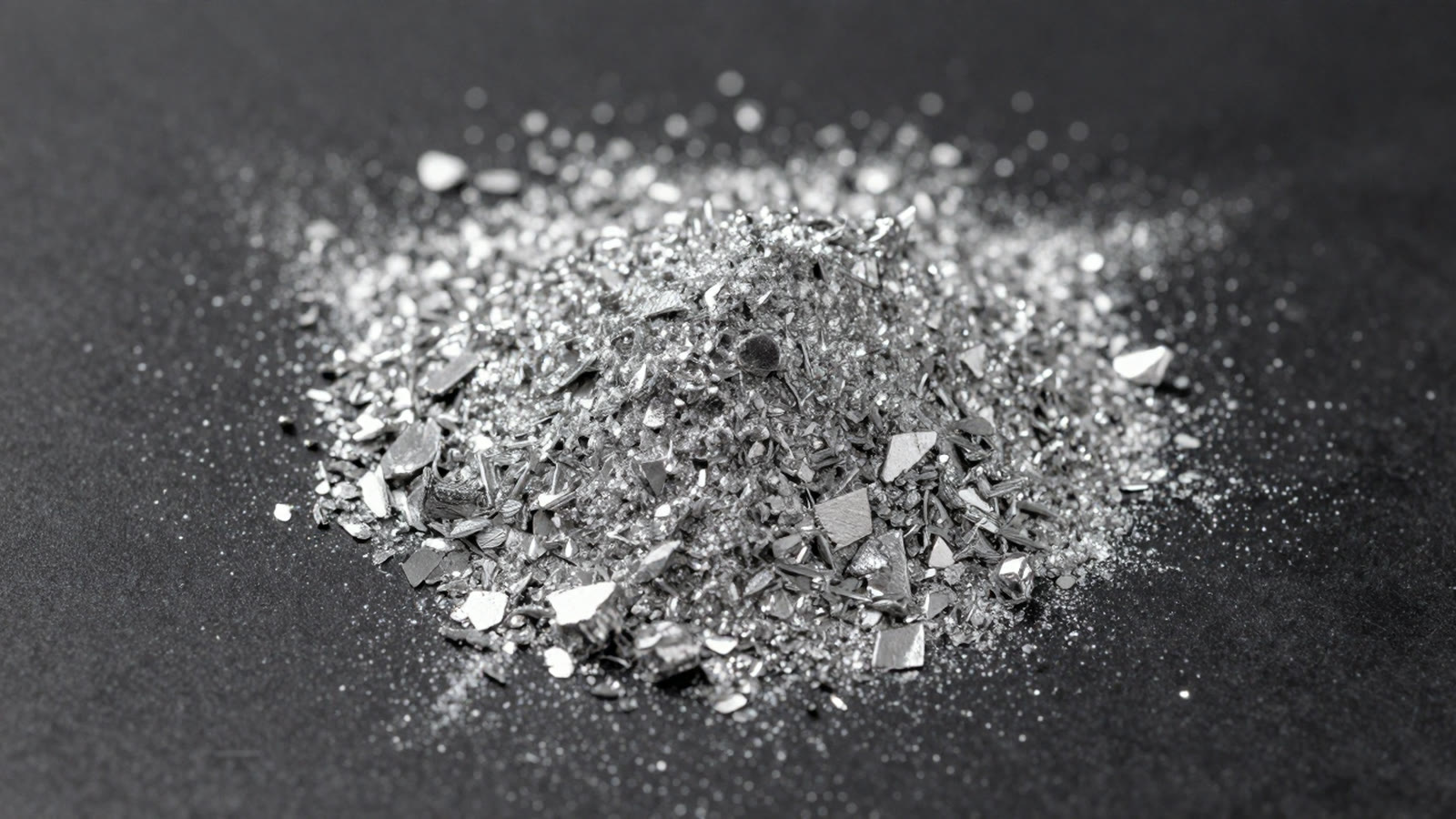
Aluminium silver powder is difficult to disperse in plastics and dusts heavily, and at high mixing temperatures there is additionally a risk of fire and explosion — the manual writes these 3 difficulties together. This article summarises the approaches offered by the R1848 encapsulation-type hyperdispersant: chemical encapsulation by a coordination-type rare-earth organic polymer, the operating procedure of the pretreatment method and the reference dosage of 8%-10% for aluminium powder encapsulation, as well as 3 routes to reduce risk from the powder side.
- 01Anti-agglomeration
- 02Distribution rate
- 03Lubrication balance
Data source: official product data (product handbook and official on-site product data). All quotations and data in this article are transcribed as-is from the source text without inferential additions.
On-site problems with aluminium silver powder: 3 difficulties coexist
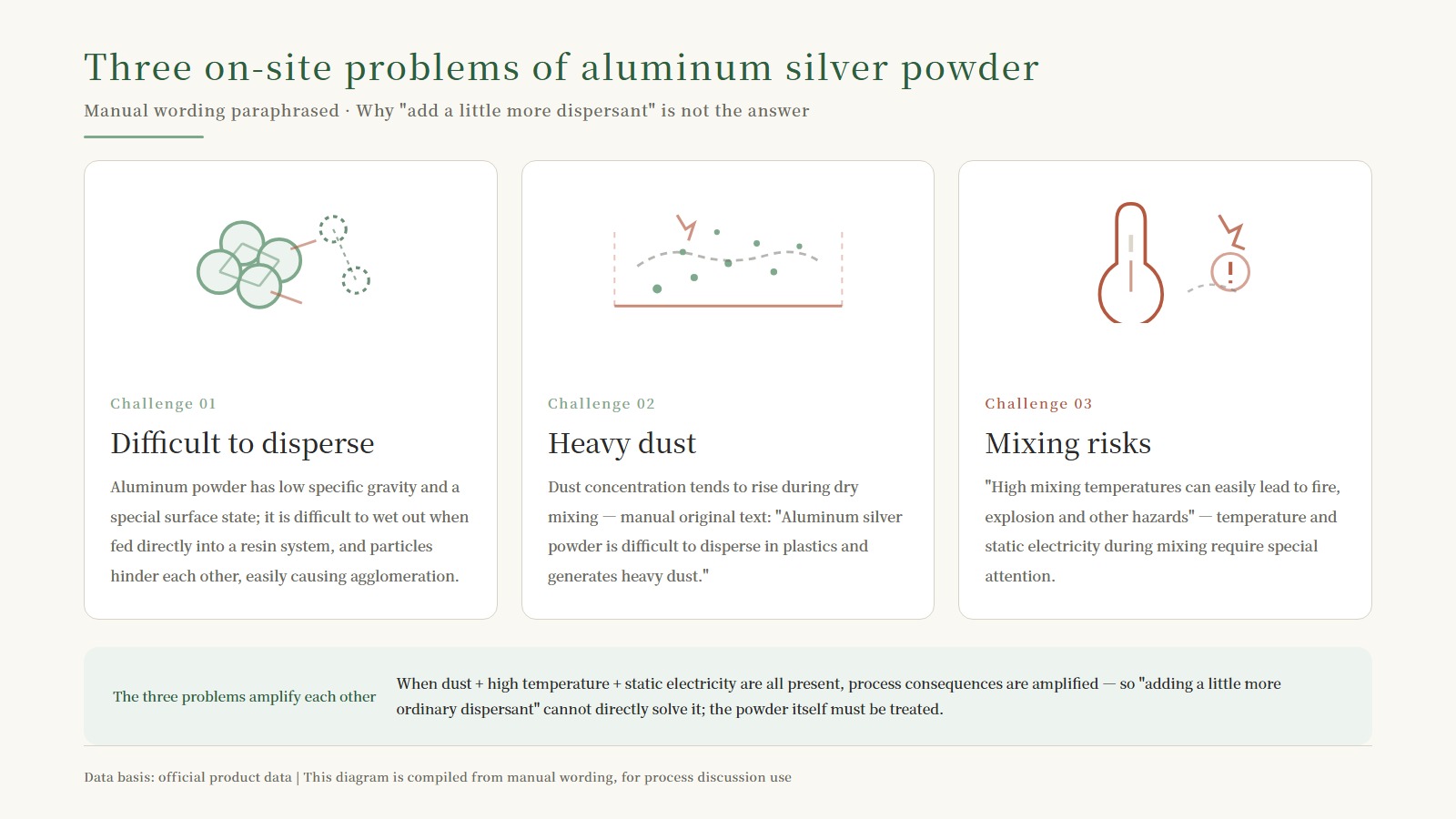
For metallic-effect plastics, pearlescent masterbatches and metal foil finished articles, one special type of powder is unavoidable: aluminium silver powder. It delivers the metallic light effect, and it also brings 3 difficult problems on the process floor — the manual writes these 3 difficulties together:
"Aluminium silver powder is not easy to disperse in plastics and dusts heavily; at high mixing temperatures, hazards such as fire and explosion may readily occur." (Data source: official product data)
Taken apart: difficult dispersion — aluminium powder has a low specific gravity and a special surface state, so when fed directly into a resin system it is not easily wetted and tends to agglomerate; heavy dusting — during dry mixing the dust concentration rises, putting considerable pressure on the workshop environment; mixing risk — the mixing step at elevated temperatures requires particular attention. The 3 problems amplify one another, which is why "adding a little more ordinary dispersant" does not solve them directly.
What R1848 is: a chemical encapsulation applied to the powder
The manual positions R1848 as a special encapsulation-type hyperdispersant, with the chemical composition stated as a coordination-type rare-earth organic polymer — this is not the same approach as conventional hyperdispersants built around "wetting + dispersion": the core action of R1848 is to form an encapsulation layer on the powder surface.
"R1848 encapsulation-type hyperdispersant was developed for the encapsulation of special powders… Our company uses R1848 specifically to treat aluminium silver powder. In this way the hazard of the aluminium powder can be reduced, and the compatibility and dispersibility of the aluminium powder in plastics are more effectively improved." (Data source: official product data)
The manual states 2 further effects that are directly relevant to plastics processing: for powders that dust heavily it provides coupling, solubilisation and encapsulation dispersion, and can reduce the melt viscosity of the resin composite system and improve processing flowability; in addition, it has a unique dispersibility and a colour-enhancing function for organic pigments, making it suitable for pigment treatment in concentrated colour masterbatches. (Data source: official product data)
After treatment: 3 direct changes
Moved from the bodyOperation steps (original text, as is)
- Risk side — the hazard of the aluminium powder is reduced (the surface state is altered, and the problems of dusting and active surfaces are contained at source);
- Compatibility side — the compatibility and dispersibility of the aluminium powder in plastics are improved;
- Materials side — "to produce colour masterbatch, only aluminium powder and carrier resin need to be added; no additional additives are required." (Data source: official product data)
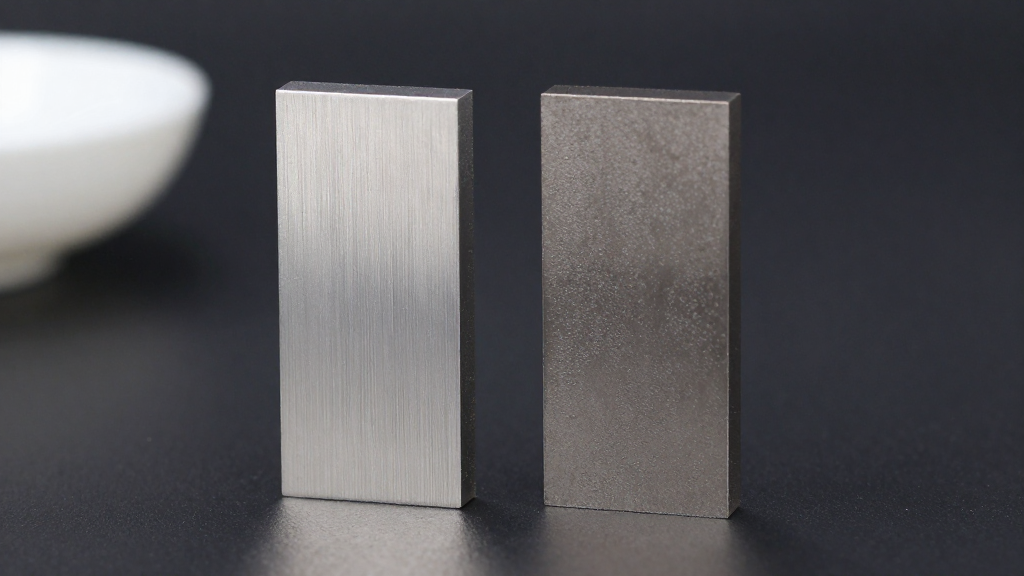
According to the manual, when aluminium silver powder treated with R1848 enters the downstream stages:
The third point has the most direct impact on the formulation structure of colour masterbatch plants: once the treated powder enters mixing, the formulation no longer needs other additives on top to supplement dispersion or compatibility.
How to use it: pre-treatment method and reference dosage
The method given in the manual is called the pre-treatment method and is carried out in a high-speed kneader (Data source: official product data):
- Add the powder to the high-speed kneader;
- Pour the melted encapsulating dispersant R1848 onto the powder;
- Start the high-speed mixer at low speed for about 2 minutes;
- Switch to high-speed mixing for about 10 minutes, then discharge.
The reference dosage is graded by powder type: aluminium powder encapsulation 8%-10%; brightener encapsulation 5%-8%; the manual notes that the specific dosage should be adjusted appropriately with reference to the oil absorption value and fineness of the powder. (Data source: official product data)
Parameters and packaging
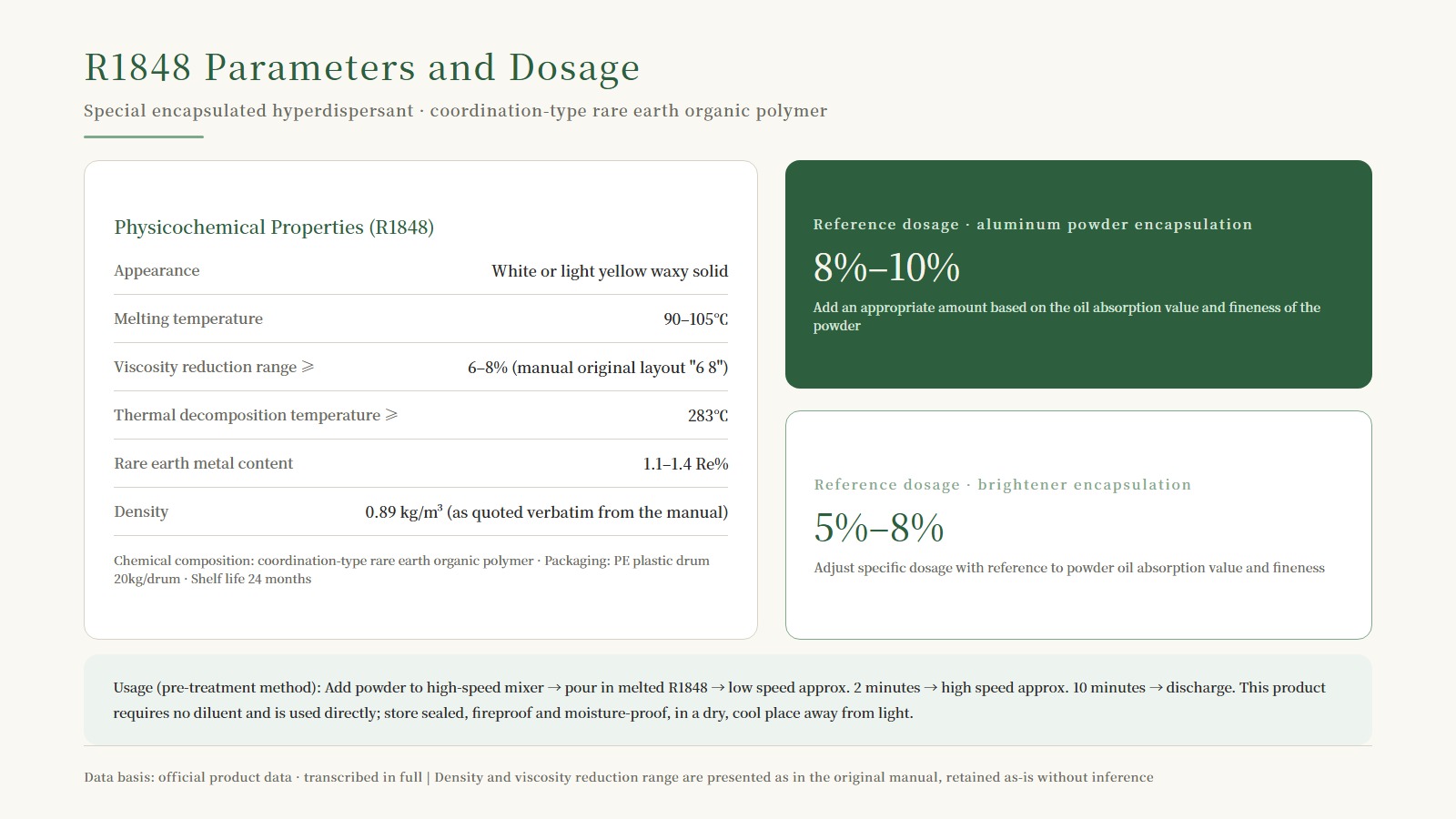
| Item | R1848 |
|---|---|
| Appearance | White or pale yellow waxy solid |
| Melting temperature | 90-105℃ |
| Viscosity reduction | ≥ 6-8% (printed as "6 8" in the original manual; to be read as a range) |
| Thermal decomposition temperature | ≥ 283℃ |
| Rare earth metal content | 1.1-1.4 Re% |
| Density | 0.89 kg/m³ (as printed in the manual) |
| Packaging | Packed in PE plastic drums, 20kg/drum |
| Shelf life | 24 months; store sealed and protected from fire and moisture; keep in a dry, cool place away from light |
(Data source: official product data)
The manual also notes: this product requires no diluent and should be used directly. (Data source: official product data)
Application Scenarios
According to the "Scope of Application" section of the manual: "Suitable for the powder encapsulation of high-grade organic and inorganic raw materials with high dust generation." With regard to specific product applications, R1848 addresses 3 categories of scenarios — aluminium silver powder colour masterbatches, metal powder colour masterbatches and special powder encapsulation — after which the treated powder enters the conventional mixing, pelletising, injection moulding and extrusion processes.
If the aluminium silver powder in your workshop is still fed directly into the mixing vessel, you can first carry out a small-scale trial using the "pre-treatment method": for the same batch of powder, one group is mixed directly while the other group undergoes R1848 encapsulation pre-treatment first, and the dispersibility and on-site dust conditions are compared. The specific dosage should be adjusted according to the oil absorption value and fineness of your powder, and shall be subject to validation by small-scale trials before mass production.
Notes on Data and Basis
- All data in this article is compiled from official product materials (product handbook and official on-site product data); no inferential additions.
- "Viscosity reduction ≥ 6-8%" is typeset as such in the original manual and is retained as is without inference; the density value is likewise reproduced verbatim from the manual.
- The product technical data are typical laboratory values; for results under different powder systems and actual operating conditions, please refer to actual small-scale trial measurements.
Article actions
If this piece was useful, you can leave a mark — the like count comes from our back office at admin.kj9896.com; when the endpoint is unreachable the buttons are disabled and the count shows “—”. No invented figures are ever filled in.
Link: https://kj9896.com/en/news/r1848-coated-hyperdispersant-for-aluminum-silver-powder
Related reading
- 01How to Choose Between R101A and R6100? Two Processing Routes for Inorganic Powders such as Titanium Dioxide and Calcium Carbonate2 October 2026
- 02Californium Curium R200 Magnesium Hydroxide/Aluminium Hydroxide Flame-Retardant Aid: Measured Comparison and Usage27 September 2026
- 03Californium Curium R1618 Specialty Hyperdispersant for Conductive Carbon Black: Technical Data Sheet and Dosage Basis27 September 2026
Products mentioned in this article
Keep reading
More company announcements and product updates are in the newsroom.