
Product updates · 25 September 2026
Three Product Lines in the Flame Retardant Series: PE Film, Transparent Polyester and Synergist Replacement
Flame retardant selection starts with the substrate and finished article form. Californium Curium’s flame retardant series has several lines: R911 for thin-gauge PE articles (hindered amine type, 10%-20% to UL94 V-2/FV-2), R912 / R912B / R915 for transparent polyester (phosphorus-based, 1.5%-5% to V-0, with processing window and drying requirements), R940 for reactive systems, and flame retardant synergist R218 for replacing antimony trioxide (1:1 replacement at 50%-70%, PVC 100%). This article supplements the processing temperature, dosage, packaging and shelf life of each model and clarifies the distinction between "low-halogen" and "halogen-free".
- 01Anti-agglomeration
- 02Distribution rate
- 03Lubrication balance
Moved from the bodySeries composition and release list · full table moved up
| Model | Positioning in the documentation (as recorded) | Main body page source |
|---|---|---|
| R911 | Halogen-free flame retardant for PE | Californium Curium – Flame Retardant Series PDF, page 1 (-49-); Californium Curium – Functional Additives 1.09, page 53 (-49-) |
| R912 | Transparent halogen-free flame retardant (transparent flame retardant specifically for PET/PETG/TPU) | Flame Retardant Series, pages 2-3 (-50-/-51-); Functional Additives 1.09, pages 54-55 |
| R912B | Halogen-free flame retardant for PET | Flame Retardant Series, page 4 (-52-); Functional Additives 1.09, page 56 (-52-) |
| R915 | Transparent halogen-free flame retardant specifically for PET/PETG | Flame Retardant Series, pages 5-6 (-53-/-54-); Functional Additives 1.09, pages 57-58 |
| R940 | Reactive flame retardant for unsaturated acrylic-polyurethane systems | Flame Retardant Series, pages 7-8 (-55-/-56-); Functional Additives 1.09, pages 59-60 |
| R218 | Flame retardant synergist (partial replacement for antimony trioxide) | Flame Retardant Series, page 9 (-57-); Functional Additives 1.09, page 61 (-57-) |
| 63# | Brominated flame retardant: halogenated flame retardant for PE/PP high-temperature plastic extrusion coating cast film | Only in the catalogue entry: 1.09 PDF, page 3; no main body page, not published on the official website |
Moved from the bodyModel documentation locator table · full table moved up
| Component | Content | Description |
|---|---|---|
| DOPO (9,10-dihydro-9-oxa-10-phosphaphenanthrene-10-oxide) | 49% | Phosphaphenanthrene-based main flame retardant, gas-phase + condensed-phase flame retardancy |
| Hexaphenoxycyclotriphosphazene (HPCTP) | 10% | Phosphorus-nitrogen synergistic flame retardancy, improving char formation and smoke suppression |
| HEMA (hydroxyethyl methacrylate) | 40% | Reactive double bond, participates in copolymerisation and provides compatibility |
| Triphenylphosphine | 0.8% | Catalytic additive |
| MEHQ (p-methoxyphenol) | 0.2% | Polymerisation inhibitor, suppresses self-polymerisation during storage |
Light up the grade ladder frame by frame according to this document's ladder: each step up corresponds to the assessment grade in the data.Scroll-driven, animated frame by frame with requestAnimationFrame; when the system requests reduced motion or the screen is narrow, the final frame is shown directly.
The first thing to confirm when selecting a flame retardant is not the price, but the substrate and finished article form: for PE film, transparent polyester parts and systems requiring replacement of antimony trioxide, the applicable additive types are completely different. Californium Curium’s flame retardant series is divided into several lines by substrate; in the documentation, each model has its own dedicated main body page. This article summarises the composition, dosage, processing temperature, packaging and shelf life of each model in tables and clarifies a point that is easily confused: "low-halogen" does not mean "halogen-free".
Series Composition and External Publication List
The flame retardant series catalogue in the functional additives documentation lists: R911 (halogen-free flame retardant for PE), R912 (transparent halogen-free flame retardant), R915 (transparent halogen-free flame retardant specifically for PET/PETG), R940 (reactive flame retardant for unsaturated acrylic-polyurethane systems), R218 (flame retardant synergist, partial replacement for antimony trioxide), and 63# brominated flame retardant (halogenated flame retardant for PE/PP high-temperature plastic extrusion coating cast film). (Source: Californium Curium – Functional Additives 1.09 PDF, page 3 (printed page 55) and page 4 (printed page 83) product catalogue)
External publication list: The models in this series published on this website are R911, R912, R912B, R915, R940 and R218, 6 in total (the series page is consistent with the public product data interface). The catalogue footnote states that "products in grey type have been discontinued"; the 63# entry is not in grey type in the catalogue, but it is a halogenated product. In line with the official website's practice of publishing only models that can be checked item by item and conform to their positioning, it is not included in the publication list. Whether 63# is still on sale or requires a separate page is not stated in the documentation. (Source: same as above; the original catalogue footnote appears on pages 3-4 of the 1.09 PDF)
PE Thin-Gauge Article Line: R911 (and Its Masterbatch Version M911)
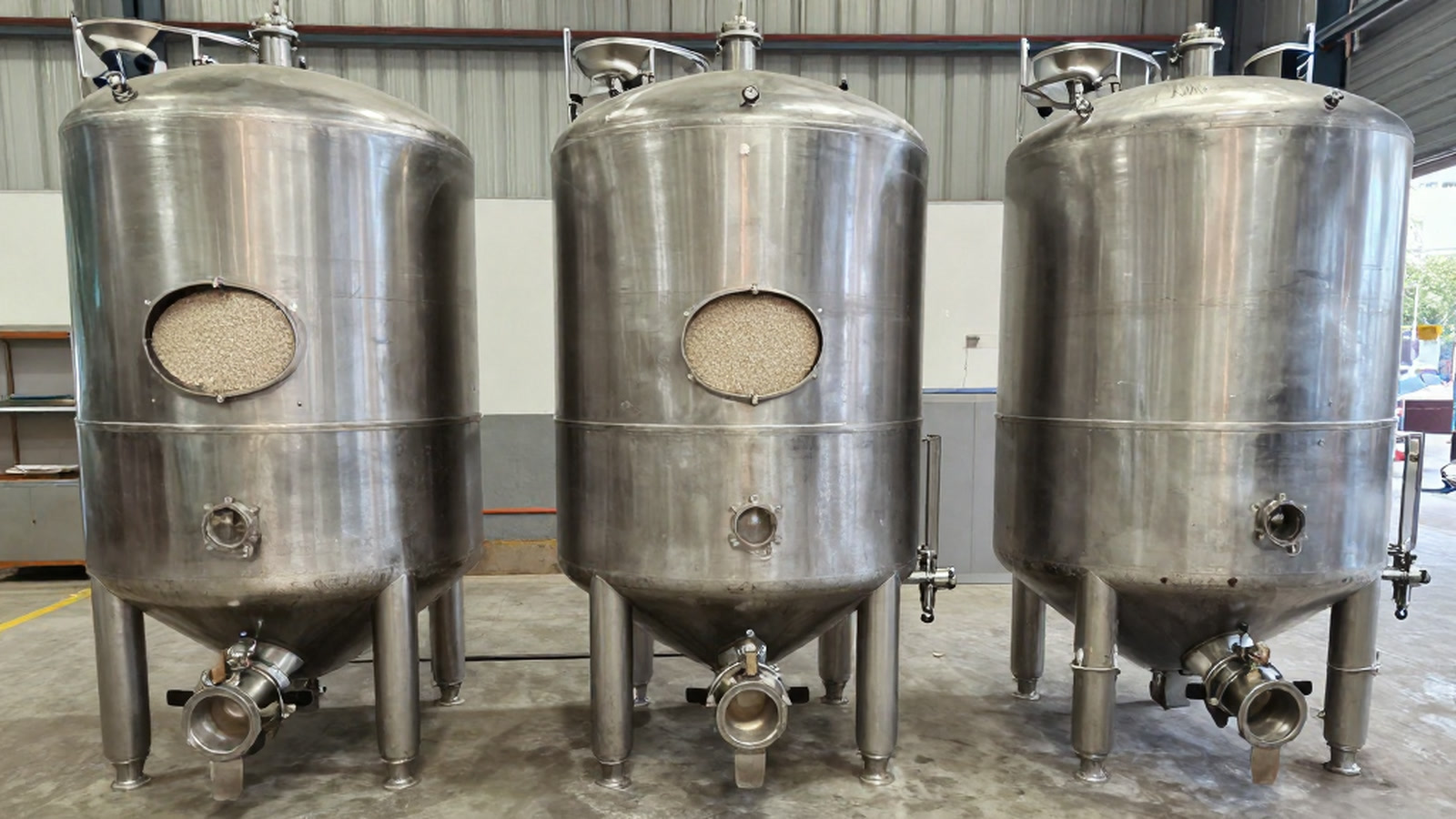
Positioning: A halogen-free flame retardant specifically developed for thin-gauge polyethylene (PE) articles (film, thin sheet, woven yarn, ultra-thin pipe, etc.). (Source: Flame Retardant Series PDF, page 1, printed -49-)
| Item | Content from the documentation (key points as recorded) |
|---|---|
| Core composition | Hindered amine compound based on tetramethylpiperidine derivatives; free of halogens (chlorine, bromine, etc.), compliant with RoHS and REACH |
| Flame retardant mechanism | Interrupts combustion by capturing free radicals generated during burning and inhibiting the chain reaction; it also provides some antioxidant effect and retards ageing of PE materials |
| Synergistic dispersant | A small amount of non-ionic surfactant helps the hindered amine disperse uniformly in the PE melt, avoiding agglomeration without affecting processing flowability |
| Dosage and rating | At a dosage of 10%-20%, thin-gauge PE articles can achieve UL94 V-2 rating (film category) or FV-2 rating under GB/T 2408-2008 (adjusted according to thickness) |
| Processing temperature | 150-200℃ (consistent with conventional PE film processing); avoid excessively high temperatures that cause the flame retardant to decompose |
| Scope of application | Various PE films (packaging film, shrink film, protective film, agricultural mulch film); PE thin sheet and ultra-thin articles (electronic insulating sheet, lightweight packaging sheet) |
| Storage | Store in a cool, dry and ventilated place, avoid moisture and direct sunlight; shelf life 12 months; keep sealed after opening |
| Packaging | 25 kg bag, double-layer PE bag |
(Source: Flame Retardant Series PDF, page 1, printed -49-; identical text in Californium Curium – Functional Additives 1.09 PDF, page 53)
Masterbatch counterpart M911 (PE halogen-free flame retardant masterbatch): compounded from hindered amine flame retardant + hindered amine light stabiliser + LLDPE resin and pelletised; recommended addition ratio 10%-25%; processing temperature <250℃; in the documentation indicator table, the flame retardant effect row is UL94 V1; specific gravity 0.89g/cm³; melt flow rate 6.9g/10min. The precautions in the documentation state that the formulation should preferably not be combined with flammable or combustion-supporting components (such as wax, ester, aluminium oxide), should not be used with anti-drip agents, and is not suitable for fibre reinforcement; if unavoidable, conduct a trial first to confirm. (Source: Californium Curium – Functional Masterbatch 1.05-4 PDF, page 5, printed -1-)
Transparent Polyester Line: Division of Roles Among R912 / R912B / R915
Subitem ⊂ Total (ppm nesting, not additive)
Dimension · ppmOuter bar = total amount, inner bar = a part of it; the difference between the two = the rest, the right end marks the remaining amount.
- … ≤ 1500 ppm
- Br + Cl ≤ 900 ppm
- Unit unified as ppm · Nested bars only express inclusion relationship; detection scope of two limit values follows source text, no conversion performed.
- Bar length indicates inclusion relationship, two bars are not additive
- Total halogens1500 ppm
- Br + Cl900 ppm
Chart data (source text verbatim)
| Level | Limit |
|---|---|
| Total halogens | ≤ 1500 ppm |
| Br + Cl | ≤ 900 ppm |
Source textScale 0–1500 ppm
Halogen-free criterion ppm red line
Dimension · ppmScale = criterion limit (unit ppm); the side marked in red = exceedance direction; values are taken directly from source criteria.
- Br+Cl < 900 ppm
- Fig. Halogen-free criterion ppm red line
- ← Lower value means more "halogen-free"; dashed line = red line from source, segment = judgment interval cut by red line
- Claim permitted only below the red line:
- Br+Cl< 900 ppm
Chart data (source text verbatim)
| Criterion | Limit | Description |
|---|---|---|
| Br+Cl | < 900 ppm | Criterion: Br+Cl 900 ppm |
Main text criteria layerScale 0–900 ppm
All 3 models target transparent polyester systems, but the input conditions differ. The key parameters given in the documentation are as follows (as recorded):
| Item | R912 | R912B | R915 |
|---|---|---|---|
| Applicable substrate | PET, PETG, TPU | PET (fibre, film, sheet) | PET, PETG (high transparency) |
| Main composition | tris(lithium dimethylbenzene carbonate) phosphate (new organophosphorus lithium salt flame retardant system), white crystalline powder | phosphorus-based main component + a small amount of nitrogen-based synergist + non-ionic dispersing additive | polyol phosphate ester (additive-type organophosphorus system, free of halogens and heavy metals) |
| Key indicators | Effective flame retardant content ≥98.0%; phosphorus content ≥9.8%; decomposition temperature ≥285℃; bulk density 0.87-0.93 g/cm³; moisture ≤0.15%; volatile matter (120℃/2h) ≤0.5% | — (the documentation focuses mainly on mechanism and performance description) | Phosphorus content 18%; melting point 210℃; halogen content not detected (IEC 61249-2-21); onset temperature of thermal decomposition ≥260℃; moisture ≤0.2%; fineness (325 mesh pass rate) ≥98% |
| Flame retardant rating and dosage | TPU 2%-7% (polyester type 2-4%, polyether type 5-7%); PETG 1.5%-3%; PET 1.5%-3% | At a dosage of 1.5%-5%, UL94 V-0 can be achieved; limiting oxygen index (LOI) increases to above 38% | UL94 V-2 (1.5mm): 1%-2%; UL94 V-0 (1.0-1.5mm): 2%-4% |
| Transparency position | The effect on material transparency is controllable: substrate light transmittance decreases by about 20%, suitable for semi-transparent and low-transparency flame retardant modification scenarios | Not applicable (focused on V-0 and mechanical property retention) | No negative effect on substrate light transmittance or haze; no whitening, no yellowing and no exudation during processing |
| Processing temperature | Suitable for conventional extrusion, injection moulding and pelletising processes: PET 230-280℃, PETG 190-250℃, TPU 160-225℃ | Recommended 230℃-280℃ (20-30℃ lower than conventional PET processing temperature) | Extrusion/injection moulding barrel 240-275℃; die/mould 60-90℃; prolonged residence above 290℃ is prohibited |
| Packaging | 25kg/bag (inner thickened PE moisture-proof bag + outer wear-resistant woven bag) | 25 kg bag, double-layer PE bag | 25kg composite woven bag with inner PE film liner |
| Shelf life | 12 months when sealed and stored at room temperature | 12 months | 12 months |
(Source: Californium Curium – Flame Retardant Series PDF, pages 2-3 (-50-/-51-) for R912; page 4 (-52-) for R912B; pages 5-6 (-53-/-54-) for R915; Californium Curium – Functional Additives 1.09, pages 54-58 contain the same text; the complete physical and chemical indicators table for R912B is not provided in the documentation (this item is not listed), and only the mechanism and performance description is currently available.)
A usage boundary for R912: The documentation states that this product is a dripping-type flame retardant; when "non-dripping" is required, it can only be used in combination as a flame retardant synergist. It can be compounded with charring agents and anti-drip additives to improve the V0 pass rate and anti-drip effect. (Source: Flame Retardant Series PDF, page 3, printed -51-)
Mixing and process points for R915 (as recorded): Raw material drying — dry PET/PETG substrate at 120℃ for 4-6h in advance to moisture ≤0.03%, preventing hydrolysis whitening during processing; pre-mixing — high-speed mix R915 with pellets for 5-8min; screw selection — select a low-shear polyester-specific screw to avoid excessive shear causing reduced light transmission; masterbatch preparation — a 20%-30% concentration PET/PETG flame retardant masterbatch can be prepared first for more convenient use and better dispersion. The documentation also notes that this product is an additive-type flame retardant and does not participate in the polyester copolymerisation reaction; for articles of different thicknesses, equipment and process conditions, and synergistic systems, the dosage may be adjusted slightly. Customers are advised to carry out small-scale trials in advance to determine the optimum formulation. (Source: Flame Retardant Series PDF, page 6, printed -54-)
Compliance position of R915 (as recorded): Meets the IEC 61249 halogen-free standard (Br+Cl <900ppm, total halogens <1500ppm); RoHS 2.0 (free of lead, mercury, cadmium, hexavalent chromium, polybrominated biphenyls, polybrominated diphenyl ethers); REACH (free of SVHC substances of very high concern); combustion behaviour is halogen-free and low-smoke, and does not produce toxic products such as dioxins. (Source: same as above)
Reactive series: R940 (UV acrylic and polyurethane systems)
simple physical blending without participating in the reaction is not recommended
Product composition (mass fraction, as recorded):
(Source: Flame Retardant Series PDF, page 7, printed -55-)
Processing and dosage (as recorded): For UV acrylic systems (photocuring), the recommended dosage is 15-30% (based on total resin mass); directly mix uniformly with acrylic monomers, prepolymers and photoinitiator at room temperature, deaerate, then UV-cure. It is recommended that the total phosphorus content of the system be controlled at 1.5-3.0%, which can achieve a UL94 V-0 flame retardant rating. For polyurethane systems (PU/PUA), the recommended dosage is 12-25% (based on the polyol component); it can be mixed directly with the polyol and then reacted with isocyanate. Note that the NCO/OH ratio should be controlled: R940 contains hydroxyl groups and will consume NCO groups, so the isocyanate dosage in the formulation needs to be adjusted. (Source: Flame Retardant Series PDF, page 8, printed -56-)
addition-cure silicone (platinum-catalysed) systems pose a toxicity risk
Synergistic substitute series: R218 (replacement for antimony trioxide)
R218 plays the role of “antimony saving”: partially replacing antimony trioxide in halogenated flame retardant formulations while also providing smoke suppression and char formation. Key points from the document (as recorded):
(Source: Flame Retardant Series PDF, page 9, printed -57-; Californium Curium – Functional Additives 1.09 PDF, page 61, same text)
A statement that is easy to confuse: low-halogen ≠ halogen-free
Moved from the bodyComponents and content · full table
| Item | Content |
|---|---|
| Category and composition | Environmentally friendly phosphorus-silicon flame retardant; main component is aluminium phosphosilicate, chemical formula Al(SiO₂)PO₄·2H₂O |
| Appearance and morphology | White crystalline powder, odourless and non-toxic; fibrous or needle-like under microscope, with a fine and loose texture |
| Physical and chemical properties | Density approx. 2.6–3.2 g/cm³; melting point typically 1300–1600℃; pH value 6.5-7; slightly soluble in water and common organic solvents |
| Replacement position | PP/PE flame retardant systems: can replace 50% to 70% of antimony trioxide at a 1:1 ratio, and the flame retardant effect is better than that of antimony trioxide combined solely with a brominated flame retardant; PVC flame retardant systems: can 100% replace antimony trioxide |
| Use in halogen-free systems | Combined with phosphorus-based and intumescent flame retardants, it provides rapid char formation, oxygen barrier and smoke suppression |
| Applicable polymers | PE, PP, PVC, ABS, PBT, PET, etc. |
| Compliance | Complies with EU 2002/95/EC, REACH and other environmental regulations |
| Packaging and storage | Woven bags with inner polyethylene plastic bags, net weight 25kg per bag (customisable); store in a dry, ventilated warehouse away from fire, heat sources and strong oxidising agents; shelf life generally 2 years |
low halogen content, no antimony, light specific gravity, no exudation, low smoke emission and low mould corrosion
When reading this entry, note that M922 is accurately positioned as “low-halogen” — its compounded system contains bromine and is not the same as the halogen-free models R911 / R912 / R912B / R915 / R940 / M911 / M915 / M918 / M933. In external communication, “低卤” should be written as low-halogen, not halogen-free. (Source: same as above; for the list of halogen-free masterbatch models, see Californium Curium – Functional Masterbatch 1.05-4 PDF, page 3, product introduction)
Selection and use: confirm three things first
- Substrate and finished-article thickness — for the same V-2 rating, the dosage ranges differ between film and thick-walled parts; R911 states clearly that “the thinner the article, the more the dosage should be appropriately increased”. (Source: Flame Retardant Series PDF, page 1 (-49-))
- Processing temperature window — transparent polyester systems are sensitive to prolonged residence at high temperature: R915 must not be held above 290℃ for long periods; R912B is recommended to be processed at 20-30℃ lower than the conventional PET processing temperature; R911 should be controlled at 150-200℃. (Source: Flame Retardant Series PDF, page 6 (-54-) / page 4 (-52-) / page 1 (-49-))
- Whether a synergist is needed — when it is necessary to reduce formulation cost or improve char formation/smoke suppression, consider R218; when “non-dripping” is required, dripping-type models can only be used as synergists in combination. (Source: Flame Retardant Series PDF, page 9 (-57-) / page 3 (-51-))
The document repeats the same reminder for several models: customers are advised to carry out small-scale trials in advance, and samples and process conditions should be confirmed with the technical side. On the functional masterbatch side, there are three additional general requirements for trial use: before trials, the materials need drying (PET, PA6 at 100℃ for 5 hours; PETG, PU, polyester-type TPU at 80℃ for 5 hours; polyether-type TPU at 60℃ for 5 hours); the processing temperature must not exceed the maximum recommended temperature in the product introduction sheet; the addition ratio is an internal addition (in-plastic addition) ratio (e.g. 5% masterbatch = 95% raw material + 5% masterbatch). (Source: Californium Curium – Functional Masterbatch 1.05-4 PDF, page 4, friendly reminder)
Frequently asked questions (FAQ)
Q1: PE film needs V-2; which one should be selected? A: R911, dosage 10%-20% (increase appropriately as thickness decreases), processing temperature 150-200℃, can achieve UL94 V-2 (film class) or GB/T 2408-2008 FV-2. (Source: Flame Retardant Series PDF, page 1 (-49-))
Q2: If both transparency and V-0 are required, should R912 or R915 be selected? A: It depends on the substrate and transparency requirements: R915 is intended for high-transparency PET/PETG (the document states no adverse effect on light transmittance and haze); R912 is suitable for PET/PETG/TPU, and the document states that light transmittance decreases by about 20%, making it suitable for semi-transparent and low-transmittance applications. (Source: Flame Retardant Series PDF, page 5 (-53-) / page 2 (-50-))
Q3: Both R912B and R915 are used in PET; how should they be distinguished? A: R912B targets V-0 and LOI (1.5%-5% achieves V-0, LOI ≥38%, with emphasis on mechanical property retention in fibre/film/sheet); R915 targets high transparency retention (V-2 at 1%-2%, V-0 at 2%-4%, and must not be held above 290℃ for long periods). (Source: Flame Retardant Series PDF, page 4 (-52-) / page 6 (-54-))
Q4: How is R940 added in UV systems? A: Recommended dosage 15-30% (based on total resin mass); mix at room temperature, deaerate, then UV-cure; control the total phosphorus content of the system at 1.5-3.0%; note that it must not be used together with strongly alkaline substances, and the system temperature should not exceed 120℃ for a long time. (Source: Flame Retardant Series PDF, page 8 (-56-))
Q5: How much antimony trioxide can be saved? A: In PP/PE systems, 50% to 70% can be replaced at a 1:1 ratio; in PVC systems, 100% replacement is possible (R218). (Source: Flame Retardant Series PDF, page 9 (-57-))
Q6: Are there any third-party test reports or certification numbers? A: All data in this article come from the document itself; no third-party test report numbers are attached in the document. The compliance positions that can be cited from the document are: R911 complies with RoHS and REACH requirements; R915 meets IEC 61249, RoHS 2.0 and REACH positions; R218 complies with 2002/95/EC and REACH; M922 complies with ROHS standards. (Source: the main body page of each model, see Section 9) The third-party test report numbers corresponding to the models, if any, are not listed in this item and separate test reports can be supplemented.
items that cannot be verified item by item are not published on the public product pages
Q8: How should masterbatch and additives be selected? A: These are two different supply forms: if you want to adjust the formulation yourself, select additives (R911/R912B/R915, etc.); if you want to feed directly to the machine and reduce batching steps, select masterbatch (for example, M933: PP halogen-free V0 flame retardant masterbatch, reference dosage 15-25%; in 0.4mm thick PP sheet, adding 25 parts gives non-dripping non-flammable cotton). (Source: Californium Curium – Functional Masterbatch 1.05-4 PDF, page 14 (-10-))
Sources (verifiable item by item)
| # | Source document | PDF physical page | Printed page | Used in section(s) |
|---|---|---|---|---|
| 1 | Flame Retardant Series.pdf | Page 1 | -49- | Sections 1, 2, 7, 8 (R911) |
| 2 | Flame Retardant Series.pdf | Pages 2–3 | -50-/-51- | Sections 3, 8 (R912 specifications and drip-type description) |
| 3 | Flame Retardant Series.pdf | Page 4 | -52- | Sections 3, 7, 8 (R912B) |
| 4 | Flame Retardant Series.pdf | Pages 5–6 | -53-/-54- | Sections 3, 7, 8 (R915 specifications, processing, compliance) |
| 5 | Flame Retardant Series.pdf | Pages 7–8 | -55-/-56- | Sections 4, 8 (R940 composition, processing, prohibitions) |
| 6 | Flame Retardant Series.pdf | Page 9 | -57- | Sections 5, 7, 8 (R218) |
| 7 | Californium Curium – Functional Additives 1.09.pdf | Pages 3–4 | Catalogue 55 / 83 | Sections 1, 6, 8 (series catalogue, 63#, footnote) |
| 8 | Californium Curium – Functional Additives 1.09.pdf | Pages 53–61 | -49-–-57- | Sections 2–5 (same text as the series volume) |
| 9 | Californium Curium – Functional Masterbatch 1.05-4.pdf | Page 3 | Printed 10 | Section 6 (masterbatch product introduction wording) |
| 10 | Californium Curium – Functional Masterbatch 1.05-4.pdf | Page 4 | Friendly Reminder | Section 7 (drying and sample preparation notes) |
| 11 | Californium Curium – Functional Masterbatch 1.05-4.pdf | Page 5 | -1- | Section 2 (M911 masterbatch) |
| 12 | Californium Curium – Functional Masterbatch 1.05-4.pdf | Page 13 | -9- | Section 6 (M922 low-halogen wording) |
| 13 | Californium Curium – Functional Masterbatch 1.05-4.pdf | Page 14 | -10- | Section 8 (M933) |
Note: All parameters and descriptions in this document are sourced solely from the materials listed in the table above; items not listed in the source materials have been marked within the text as "Not listed in the source material". This document contains no pricing, customer names, certification numbers, or performance commitments. Terminology convention: "low-halogen" is the standard term; the halogen-free models (R911/R912/R912B/R915/R940/M911/M915/M918/M933) and the halogenated low-halogen model (M922) have been separately identified.
Article actions
If this piece was useful, you can leave a mark — the like count comes from our back office at admin.kj9896.com; when the endpoint is unreachable the buttons are disabled and the count shows “—”. No invented figures are ever filled in.
Link: https://kj9896.com/en/news/halogen-free-flame-retardant-series
Related reading
- 01Californium Curium R915 Polyester-Grade Transparent Halogen-Free Flame Retardant: Technical Data Sheet and Processing Window27 September 2026
- 02How to Select a Halogen-Free Flame Retardant Supplier? A Model Selection Guide for PE Films and PET/PETG Transparent Articles1 October 2026
- 03Californium Curium R200 Magnesium Hydroxide/Aluminium Hydroxide Flame-Retardant Aid: Measured Comparison and Usage27 September 2026
Products mentioned in this article
- R911R911 PE Halogen-Free FR R911
- R912R912 Transparent Halogen-Free FR R912
- R912BR912B Halogen-Free Flame Retardant for PET R912B
- R915R915 PET/PETG Transparent FR R915
- R940R940 R940 Unsaturated Acrylate–Polyurethane Reactive Flame Retardant
- R218R218 FR Synergist R218
- M911M911 PE Halogen-free Flame Retardant Masterbatch M911
- M915M915 PETG Transparent Halogen-free FR Masterbatch M915
- M918M918 PA6 Nylon Spinning Halogen-free FR Masterbatch M918
- M922M922 PP Flame Retardant Masterbatch
Keep reading
More company announcements and product updates are in the newsroom.