
NEWSROOM · News Center
News Center
Technology and product updates from the manufacturer
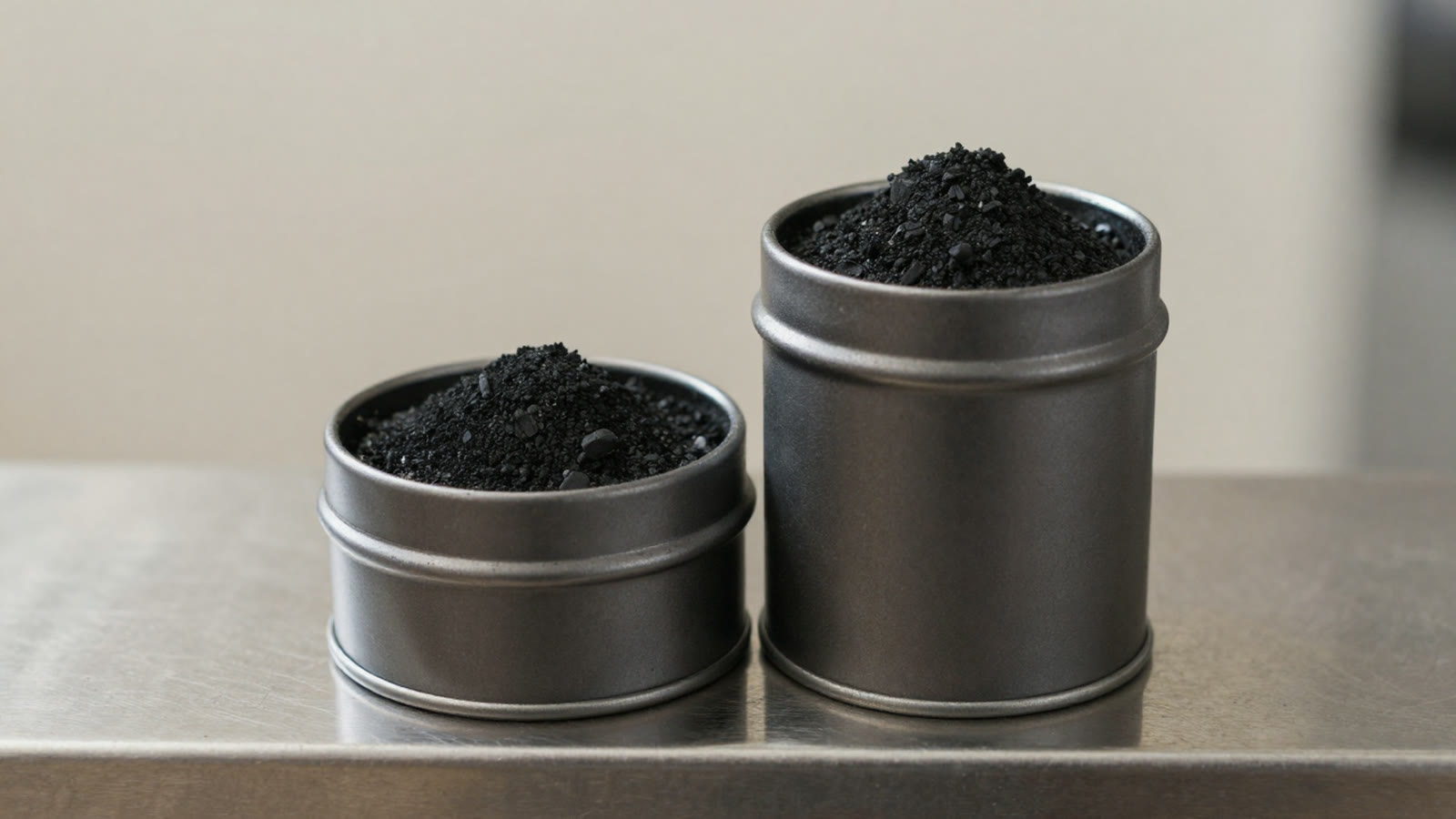 Animated cover
Technology explained
Same “0.5–2%,” Two Denominators in Manuals: Why Conductive Carbon Black Additive Dosages Cannot Be Directly Converted
The R1618 document gives two parallel dosage ranges, both 0.5–2%, but with different denominators: one is based on the total carbon-black weight, and the other on the final plastic product; it explicitly states that the two are not to be converted into one another. This document explains why this is not an oversight and examines the relationship between the premise that finer material agglomerates more readily and the four functions combined in one. The source does not specify electrical-resistivity values, dispersion efficiency, or the charging sequence; none is estimated or proposed here.
- 01Technology explained
Same “0.5–2%,” Two Denominators in Manuals: Why Conductive Carbon Black Additive Dosages Cannot Be Directly Converted
The R1618 document gives two parallel dosage ranges, both 0.5–2%, but with different denominators: one is based on the total carbon-black weight, and the other on the final plastic product; it explicitly states that the two are not to be converted into one another. This document explains why this is not an oversight and examines the relationship between the premise that finer material agglomerates more readily and the four functions combined in one. The source does not specify electrical-resistivity values, dispersion efficiency, or the charging sequence; none is estimated or proposed here.  02Technology explained
When National Standard FV-2 and UL94 V-2 Are Both Listed: Why Do Both Conclusions Hold for the Same Formulation?
R911 documentation lists both UL94 V-2 (film types) and GB/T 2408-2008 FV-2. The apparent conflict reflects different test observations. This article explains what each test observes, why one formulation can receive two ratings, and presents the loading window (10%–20%), thickness direction, processing-temperature window, and prohibition on ultrahigh temperatures, all drawn from the source. 03Technology explained
Flame-Retardant Ratings Cannot Be Looked Up in a Table: Loading, Thickness, and UL94 Must Be Considered Together
The data for R912B specifies a recommended addition range of 1.5%-5% and a suggested processing temperature of 230-280°C. However, these numbers are not 'conclusions' but 'premises' - the flame retardancy level is determined by the addition amount, product thickness, and base material. This article explains the observation dimensions as described in the original data and why the data does not provide actual measured points of 'thickness × addition amount → level'. 04Technology explained
Whitening Does Not Equal Greater Whiteness: Criteria for Interpreting Hiding Power, Tinting Strength, and Dispersibility
If whiteness does not improve after whitening, this does not necessarily mean that the wrong additive was used. Hiding power, tinting strength, and dispersibility each have their own test methods and interpretation criteria. Based on the source text of the manual, this article distinguishes 3 evaluation pathways and reproducible criteria, using 21 measured data points from the R1800-SK titanium dioxide study to show that lightness, Tappi whiteness, and yellowness no longer change synchronously after 1.6%. It also identifies 12 common misconceptions, 2 data-layer usage cautions, and a clear boundary between verifiable and non-verifiable information. 05Technology explained
Anchoring and Solvation: How a Single Dispersant Molecule Divides the Work at the Powder Surface
On a single dispersant molecule, the anchoring group is responsible for attaching to the powder surface, while the solvating chain is responsible for transferring the molecule into the dispersion medium; their requirements for external conditions are opposite. Following the original wording in the manual, this article separates the functions of these two components and presents two dosage-and-performance data series for R1800-SK-treated titanium dioxide (TiO₂) and R1800-SH-treated carbon black. It explains why the dosage varies with powder fineness, oil absorption value, and specific surface area, and identifies, item by item, the parameters not provided in the manual. 06Technology explained
Melt Viscosity Goes Up: Which Figures Can Be Compared, and Which Are Not Stated in the Documentation
After a flame retardant is incorporated into a formulation, the melt viscosity rises, and the number of figures available for comparison is limited. This article reviews the official product documentation point by point: none of the systems provides an absolute melt viscosity value. R200 shows only a relative reduction of 15-20%, and this figure is strictly tied to a “60% filler system” and a “PP matrix”. R915 provides 2 sets of coexisting processing temperatures and 1 low-shear screw instruction. All cases involving non-comparable dimensions are identified individually. 07Technology explained
Why Plastics Are Naturally Hydrophobic: The Hydrophilic Approach of Hydrophilic Agent R78
Plastics are naturally hydrophobic, yet nonwoven liquid transport, anti-fog films and soil-resistant textiles all demand surfaces that welcome water. Following the technical manual, this article walks through the hydrophilic approach of rubber & plastics hydrophilic agent R78: polyether polyol chemistry that plants hydrophilic groups into the material, the pelletize-first-process-later two-step workflow, a water-soluble route dedicated to textiles, and the antistatic and anti-soil benefits that come with hydrophilicity. 08Technology explained
R900A + R6800: Two Processes for Degradable Plastics — From Liquid Colour Masterbatch Dispersion to PLA Blending Compatibility
Colour masterbatch for degradable plastics faces two difficulties: the stable dispersion of black masterbatch in degradable systems, and the compatibility of PLA+PBAT+filler blends. R900A and R6800 correspond to these two process lines respectively. This article compiles the manual data for the two models: the physicochemical properties of R900A and the two advantages of liquid colour masterbatch, and the product features, application fields and 1%-10% reference dosage of R6800. 09Technology explained
Hyperdispersant and Wetting-Type Dispersant: Division of Roles in Plastics Colouring and Four Operational Guidelines
Hyperdispersants and wetting-type dispersants play complementary roles in plastics colouring rather than acting as substitutes for one another: TPS wetting-type dispersant handles wetting and internal/external lubrication, can replace polyethylene wax, and is particularly suited to matte-finish masterbatch; the R1800 series provides wetting, dispersion and encapsulation stabilisation. The article gives the dosage guidelines for both, the troubleshooting sequence when a colour masterbatch surface is not glossy (with titanium dioxide (TiO₂) treatment conditions included), and the two are also frequently used in combination within the same formulation. Every data item has an official product data basis. 10Technology explained
Exudation and blooming: why your dispersant is not working
Exudation, blooming, frosting and carbon deposit are often used interchangeably, but their causes are not the same. This article separates them according to the source documentation: excessive external lubrication, paraffin wax cut into low molecular weight wax, failure to cross the wetting temperature threshold, and dosage beyond the inflection point. At the end, a “symptom → cause” comparison table, a five-step field troubleshooting procedure and a three-layer formulation structure are also provided, and it is explained that wax, stearic acid, EBS (ethylene bis-stearamide) and paste-form hyperdispersant are not rivals but are used together; each data item is marked with the documentation page number and printed page. 11Technology explained
Where Adding 2% and Adding 8% Differ: The Real Impact of Flame Retardant Dosage on System Performance
For the same flame retardant, the difference between adding 2% and adding 8% is not six percentage points, but four things: flame retardant rating, mechanical and surface properties, processing window, and finished article grammage. This article first finds a denominator for the percentage (four denominators coexist in the source documents), then compares the three tiers of M922 at 3.5%/4-6%/8%, the measured comparison table for R200 with 2% added, and the original text of two "adding more makes it worse" inflection points, and provides a trial-scale practice and moisture content and shelf life reminders. 12Technology explained
Low-Halogen ≠ Halogen-Free: Where Exactly Is the Compliance Boundary for Halogenated Flame Retardants?
In Californium Curium's flame retardant and flame retardant masterbatch lines, only one model is labelled low-halogen: M922; nine models—R911, R912, R912B, R915, R940 and M911, M915, M918, M933—are labelled halogen-free. This article uses the source text and page numbers to separate the four definitions of halogen, halogenated, halogen-free, and fluorine-containing, and sets out five things that must be clarified in procurement and customer inquiries.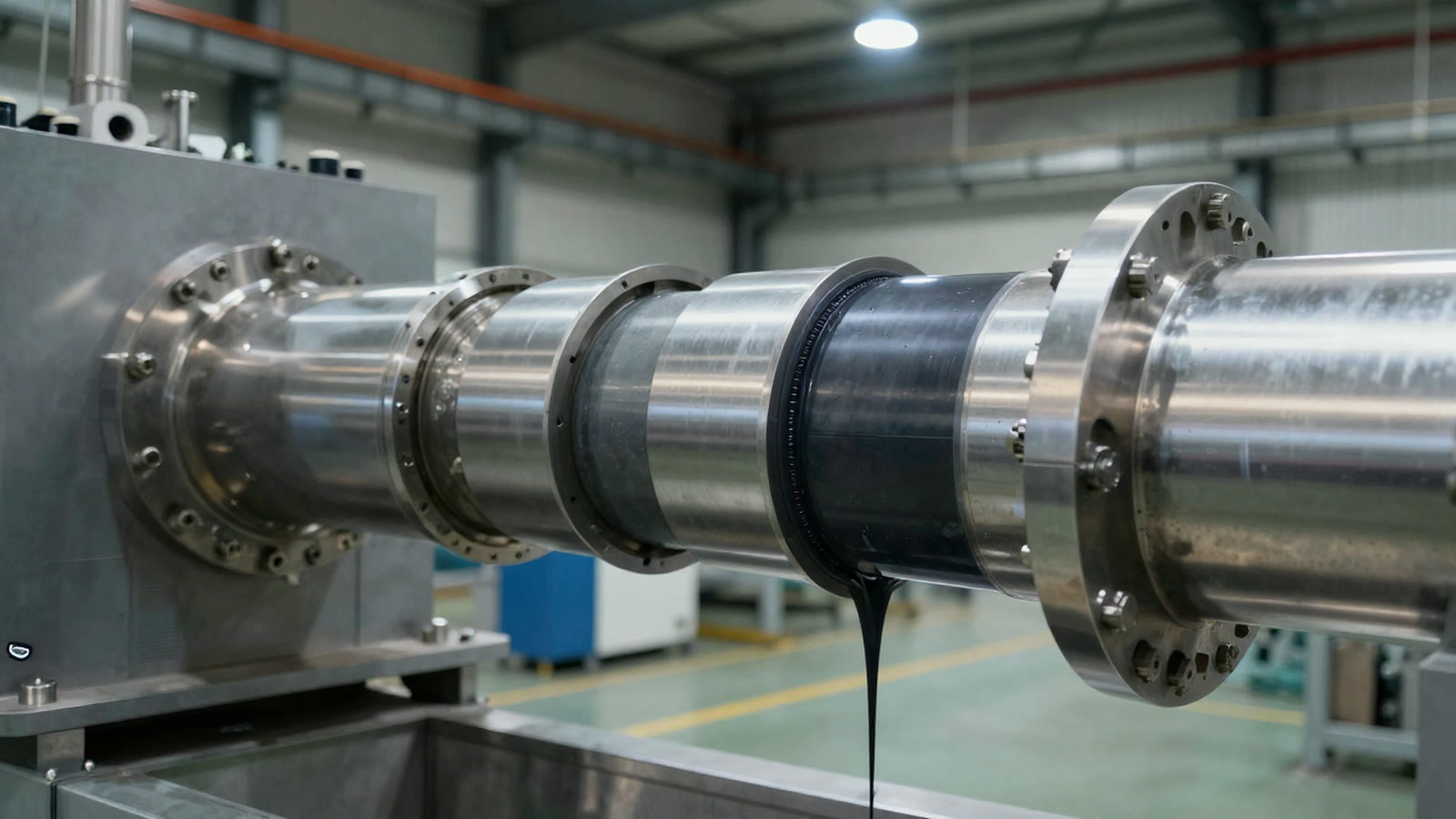 13Technology explained
Three Action Points of Hyperdispersants in Colour Masterbatch: Preventing Agglomeration, Distribution Rate and Lubrication Balance
Hyperdispersants do three things in colour masterbatch formulations: prevent pigment and filler agglomeration, improve the distribution rate of powders in the resin, and bring internal and external lubrication into balance. This article summarises the mechanisms and performance of these three points based on the source text of the functional additive product information, with a "symptom → cause" comparison table (pitting, colour spots, map-like mottling, frosting (bloom) after heat sealing, filament breakage, surface roughness), and explains the dosage comparison basis (reduction of 30%-50%) and the limiting conditions for "26 times / 113 times".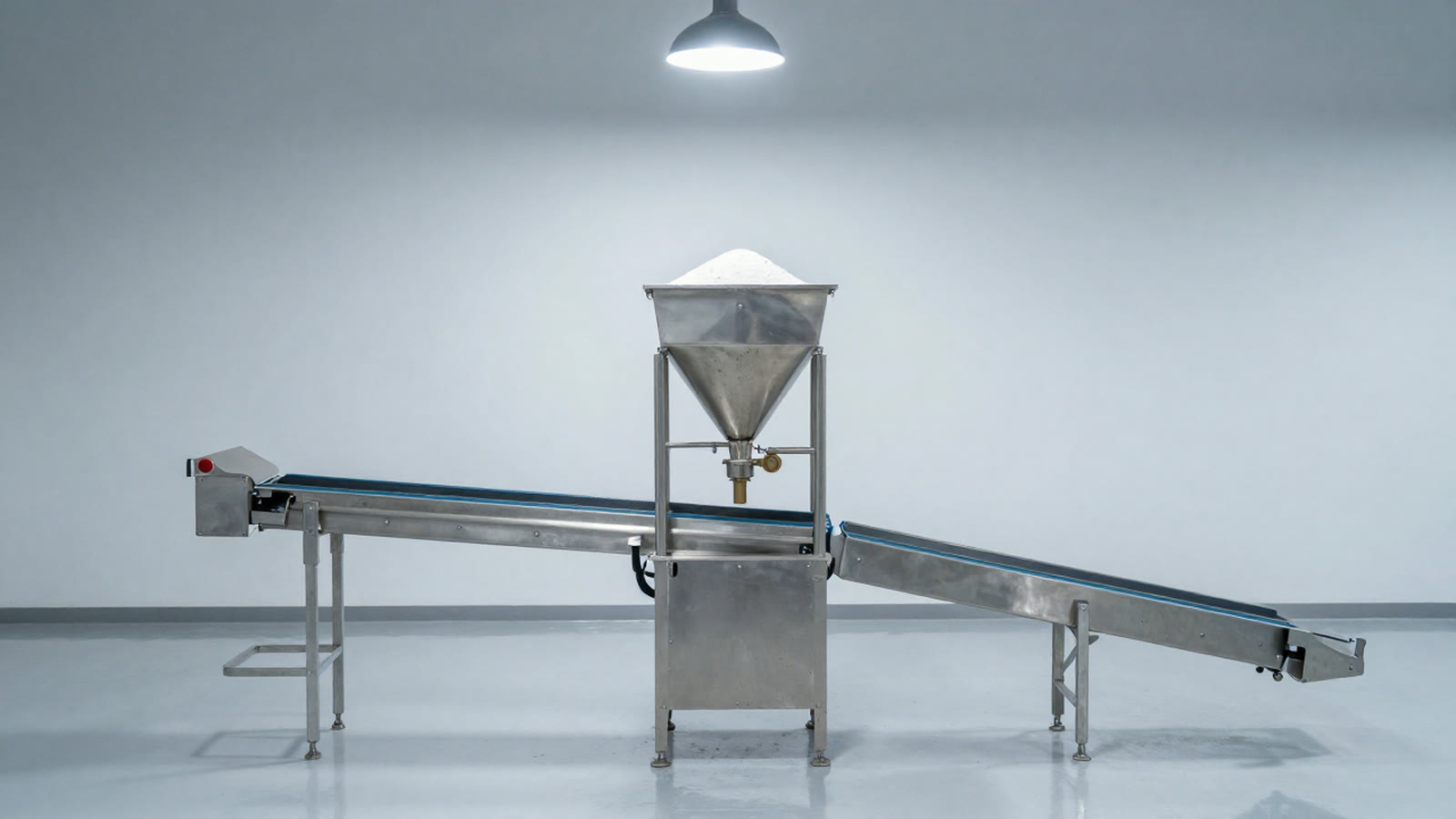 14Technology explained
How to Determine Hyperdispersant Dosage: Check the Table by Powder Fineness and Select the Model by Equipment
Dosage is not arrived at by guesswork: the datasheet gives reference dosages for calcium carbonate, talc and kaolin by powder fineness (grade by grade from 800–3000 mesh), and a separate 0.3%–1.2% range for pigments; the model is selected according to extrusion equipment and masterbatch type. This article fills in the four variables, the primary models for three production lines (R1800-S/SK/SH and R900A), the two "optimum dosage" experimental data points (1.6% and 3%) and the restricted-use boundaries. Every data item has an official product data basis.
“Technology explained” · 14 resultsRSS feed
Technology explainedSame “0.5–2%,” Two Denominators in Manuals: Why Conductive Carbon Black Additive Dosages Cannot Be Directly Converted The R1618 document gives two parallel dosage ranges, both 0.5–2%, but with different denominators: one is based on the total carbon-black weight, and the other on the final plastic product; it explicitly states that the two are not to be converted into one another. This document explains why this is not an oversight and examines the relationship between the premise that finer material agglomerates more readily and the four functions combined in one. The source does not specify electrical-resistivity values, dispersion efficiency, or the charging sequence; none is estimated or proposed here.
5 min readTechnology explainedWhen National Standard FV-2 and UL94 V-2 Are Both Listed: Why Do Both Conclusions Hold for the Same Formulation? R911 documentation lists both UL94 V-2 (film types) and GB/T 2408-2008 FV-2. The apparent conflict reflects different test observations. This article explains what each test observes, why one formulation can receive two ratings, and presents the loading window (10%–20%), thickness direction, processing-temperature window, and prohibition on ultrahigh temperatures, all drawn from the source.
5 min readTechnology explainedFlame-Retardant Ratings Cannot Be Looked Up in a Table: Loading, Thickness, and UL94 Must Be Considered Together The data for R912B specifies a recommended addition range of 1.5%-5% and a suggested processing temperature of 230-280°C. However, these numbers are not 'conclusions' but 'premises' - the flame retardancy level is determined by the addition amount, product thickness, and base material. This article explains the observation dimensions as described in the original data and why the data does not provide actual measured points of 'thickness × addition amount → level'.
5 min readTechnology explainedWhitening Does Not Equal Greater Whiteness: Criteria for Interpreting Hiding Power, Tinting Strength, and Dispersibility If whiteness does not improve after whitening, this does not necessarily mean that the wrong additive was used. Hiding power, tinting strength, and dispersibility each have their own test methods and interpretation criteria. Based on the source text of the manual, this article distinguishes 3 evaluation pathways and reproducible criteria, using 21 measured data points from the R1800-SK titanium dioxide study to show that lightness, Tappi whiteness, and yellowness no longer change synchronously after 1.6%. It also identifies 12 common misconceptions, 2 data-layer usage cautions, and a clear boundary between verifiable and non-verifiable information.
24 min readTechnology explainedAnchoring and Solvation: How a Single Dispersant Molecule Divides the Work at the Powder Surface On a single dispersant molecule, the anchoring group is responsible for attaching to the powder surface, while the solvating chain is responsible for transferring the molecule into the dispersion medium; their requirements for external conditions are opposite. Following the original wording in the manual, this article separates the functions of these two components and presents two dosage-and-performance data series for R1800-SK-treated titanium dioxide (TiO₂) and R1800-SH-treated carbon black. It explains why the dosage varies with powder fineness, oil absorption value, and specific surface area, and identifies, item by item, the parameters not provided in the manual.
15 min readTechnology explainedMelt Viscosity Goes Up: Which Figures Can Be Compared, and Which Are Not Stated in the Documentation After a flame retardant is incorporated into a formulation, the melt viscosity rises, and the number of figures available for comparison is limited. This article reviews the official product documentation point by point: none of the systems provides an absolute melt viscosity value. R200 shows only a relative reduction of 15-20%, and this figure is strictly tied to a “60% filler system” and a “PP matrix”. R915 provides 2 sets of coexisting processing temperatures and 1 low-shear screw instruction. All cases involving non-comparable dimensions are identified individually.
18 min readTechnology explainedWhy Plastics Are Naturally Hydrophobic: The Hydrophilic Approach of Hydrophilic Agent R78 Plastics are naturally hydrophobic, yet nonwoven liquid transport, anti-fog films and soil-resistant textiles all demand surfaces that welcome water. Following the technical manual, this article walks through the hydrophilic approach of rubber & plastics hydrophilic agent R78: polyether polyol chemistry that plants hydrophilic groups into the material, the pelletize-first-process-later two-step workflow, a water-soluble route dedicated to textiles, and the antistatic and anti-soil benefits that come with hydrophilicity.
3 min readTechnology explainedR900A + R6800: Two Processes for Degradable Plastics — From Liquid Colour Masterbatch Dispersion to PLA Blending Compatibility Colour masterbatch for degradable plastics faces two difficulties: the stable dispersion of black masterbatch in degradable systems, and the compatibility of PLA+PBAT+filler blends. R900A and R6800 correspond to these two process lines respectively. This article compiles the manual data for the two models: the physicochemical properties of R900A and the two advantages of liquid colour masterbatch, and the product features, application fields and 1%-10% reference dosage of R6800.
3 min readTechnology explainedHyperdispersant and Wetting-Type Dispersant: Division of Roles in Plastics Colouring and Four Operational Guidelines Hyperdispersants and wetting-type dispersants play complementary roles in plastics colouring rather than acting as substitutes for one another: TPS wetting-type dispersant handles wetting and internal/external lubrication, can replace polyethylene wax, and is particularly suited to matte-finish masterbatch; the R1800 series provides wetting, dispersion and encapsulation stabilisation. The article gives the dosage guidelines for both, the troubleshooting sequence when a colour masterbatch surface is not glossy (with titanium dioxide (TiO₂) treatment conditions included), and the two are also frequently used in combination within the same formulation. Every data item has an official product data basis.
5 min readTechnology explainedExudation and blooming: why your dispersant is not working Exudation, blooming, frosting and carbon deposit are often used interchangeably, but their causes are not the same. This article separates them according to the source documentation: excessive external lubrication, paraffin wax cut into low molecular weight wax, failure to cross the wetting temperature threshold, and dosage beyond the inflection point. At the end, a “symptom → cause” comparison table, a five-step field troubleshooting procedure and a three-layer formulation structure are also provided, and it is explained that wax, stearic acid, EBS (ethylene bis-stearamide) and paste-form hyperdispersant are not rivals but are used together; each data item is marked with the documentation page number and printed page.
18 min readTechnology explainedWhere Adding 2% and Adding 8% Differ: The Real Impact of Flame Retardant Dosage on System Performance For the same flame retardant, the difference between adding 2% and adding 8% is not six percentage points, but four things: flame retardant rating, mechanical and surface properties, processing window, and finished article grammage. This article first finds a denominator for the percentage (four denominators coexist in the source documents), then compares the three tiers of M922 at 3.5%/4-6%/8%, the measured comparison table for R200 with 2% added, and the original text of two "adding more makes it worse" inflection points, and provides a trial-scale practice and moisture content and shelf life reminders.
15 min readTechnology explainedLow-Halogen ≠ Halogen-Free: Where Exactly Is the Compliance Boundary for Halogenated Flame Retardants? In Californium Curium's flame retardant and flame retardant masterbatch lines, only one model is labelled low-halogen: M922; nine models—R911, R912, R912B, R915, R940 and M911, M915, M918, M933—are labelled halogen-free. This article uses the source text and page numbers to separate the four definitions of halogen, halogenated, halogen-free, and fluorine-containing, and sets out five things that must be clarified in procurement and customer inquiries.
17 min readTechnology explainedThree Action Points of Hyperdispersants in Colour Masterbatch: Preventing Agglomeration, Distribution Rate and Lubrication Balance Hyperdispersants do three things in colour masterbatch formulations: prevent pigment and filler agglomeration, improve the distribution rate of powders in the resin, and bring internal and external lubrication into balance. This article summarises the mechanisms and performance of these three points based on the source text of the functional additive product information, with a "symptom → cause" comparison table (pitting, colour spots, map-like mottling, frosting (bloom) after heat sealing, filament breakage, surface roughness), and explains the dosage comparison basis (reduction of 30%-50%) and the limiting conditions for "26 times / 113 times".
9 min readTechnology explainedHow to Determine Hyperdispersant Dosage: Check the Table by Powder Fineness and Select the Model by Equipment Dosage is not arrived at by guesswork: the datasheet gives reference dosages for calcium carbonate, talc and kaolin by powder fineness (grade by grade from 800–3000 mesh), and a separate 0.3%–1.2% range for pigments; the model is selected according to extrusion equipment and masterbatch type. This article fills in the four variables, the primary models for three production lines (R1800-S/SK/SH and R900A), the two "optimum dosage" experimental data points (1.6% and 3%) and the restricted-use boundaries. Every data item has an official product data basis.
7 min read